
Today's Thursday • 14 mins read
The sociopathic smile is a warning sign of a person with antisocial traits and intent. Learning to spot it can help you protect yourself from someone with quick anger and unstable reactions.
Sociopaths often come across as charming and persuasive. They can draw you in quickly. Their smiles, though, often reveal more than they intend.
A genuine smile reflects real emotion. It engages the whole face, not just the mouth, and reflects warmth, ease, and emotional presence.
A sociopathic smile feels eerily different. It is controlled and unsettling. It hides what the person actually feels or intends, even when paired with pleasant expressions.
You may notice this smile show up in situations when others would normally feel uneasy or worried.
But the person giving this smile looks calm, distant, or oddly unaffected. At times, they pair it with a cold, fixed gaze that signals emotional detachment, often referred to as a sociopathic stare.
Taken together, the smile and the stare signal emotional absence and concealed intent.
People with antisocial tendencies are highly manipulative. Their true intentions may leak out in moments when they smile to signal trust.
What is a Sociopath Smile?
A “sociopath smile” is a type of insincere smile often linked with people who show antisocial traits. It may appear charming on the surface, yet feel distinctly unsettling.
Instead of signaling warmth, this smile reflects emotional detachment and calculated intent. It may surface as an ill-timed smirk in situations that call for concern or empathy, giving off a sense of emotional coldness and manipulation.
A 2020 study found that people with antisocial personality disorder (ASPD) look more untrustworthy and manipulative when they smile, making people less likely to help them.
The same study also found that people with borderline personality disorder (BPD) are more likely to be seen as friendly and trustworthy when they smile, making people more likely to help them.
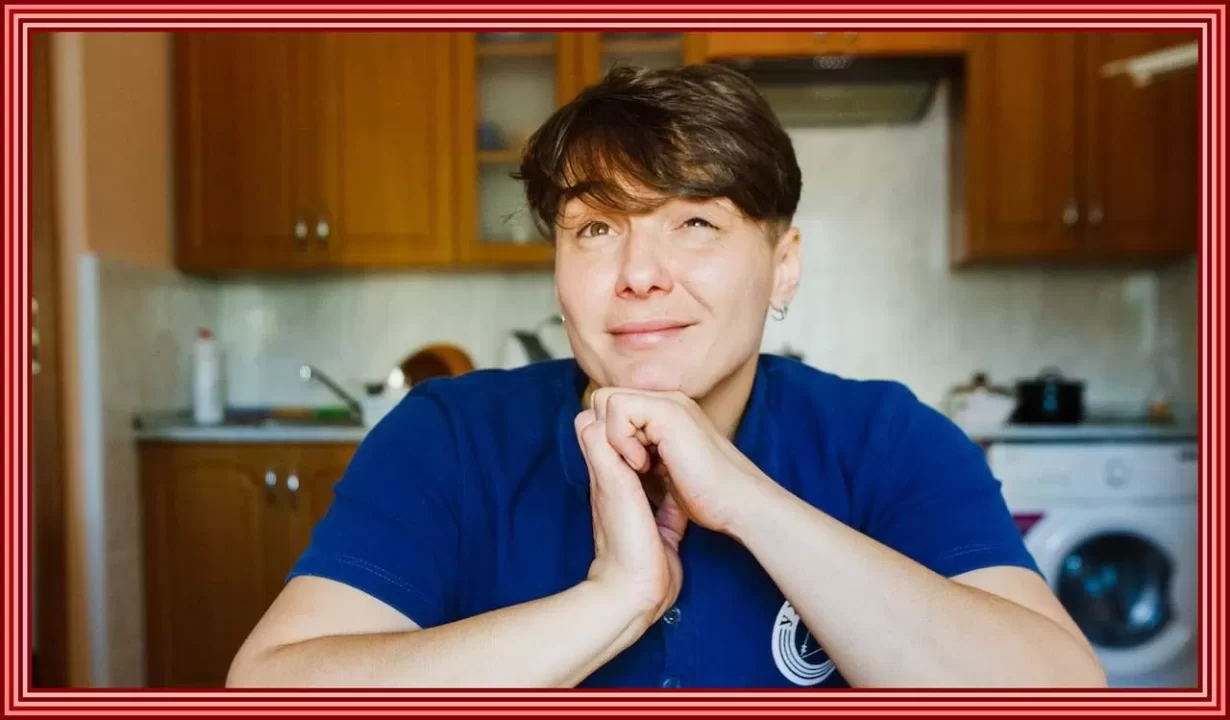
The term “sociopath smile” is not a clinical term, but a popular term for a smile that antisocial people give to deceive, intimidate, or unsettle, without using words.
The sociopath’s smile does not mirror their actual emotional state, and people find it unsettling, backed by a concealed motive.
Even when the smile is accompanied by charming facial expressions and friendly body language, people can often see the insincerity and concealed intent behind it.
The sociopath’s smile is not just a facial expression; it is a tool they use to gain power and control over their targets through implicit social pressure.
You may feel unnerved and troubled if you come across a sociopathic smile. It carries the red flag of their cold insensitivity, indifference to suffering, and disregard for consequences.
Not all sociopaths smile this way. Even those who do have a typical sociopath smile, it’s not their only smile.
However, it is a common trait among those with sociopathic tendencies. And it can be a warning sign for people interacting with these deceptive and manipulative people.
Sociopaths may smile, smirk, or laugh in inappropriate or uncomfortable situations, and they may show indifference to others’ distress.
Unlike the genuine Duchenne smile, the sociopath’s smile does not reach their eyes.
Characteristics of A Sociopath’s Smile
The sociopath smile is often used by people with antisocial personality disorder (ASPD), also known as sociopaths, to mask their negative or harmful emotions and intentions.
It reflects their definitive lack of empathy, meaning they do not experience or respond to emotions in the same way as others. They may be able to mimic emotions, but they do not truly feel them.
The sociopathic smile has apathy, indifference, and coldness written all over it.
Sociopaths are known for their impulsive behavior. They often lack a conscience and break social rules without guilt or remorse.
They often try to control others through intimidation, coercive behavior, intellect, charm, or charisma.
Of course, not all individuals who show a sociopathic smile are sociopaths.
Some non-sociopathic people may use this smile as a defense mechanism to thwart others. It may also be a way to hide their true emotions.
However, if someone consistently displays this type of smile, and also shows other traits of sociopathy, it may be a cause for concern.
A sociopath’s smile may try to look like a smile, but is actually a tool for manipulation. It reflects their cold-heartedness, harmful intentions, and heedlessness to consequences.
Seek professional help and avoid engaging with them in any way that may put you at risk if you suspect someone may be a sociopath.
Sociopath Smile in Relationships
Sociopaths are known for their charming and manipulative behavior, and their smile is no exception. In relationships, a sociopath’s smile can be used to deceive and manipulate their partner. Understanding the different ways a sociopath uses their smile can help individuals recognize and avoid toxic relationships.
Charming
A sociopath’s smile can be incredibly charming, making their partner feel special and desired.
They may use their smile to gain trust and affection, making their partner feel like they are the only person in the world that matters to them.
However, this charm is often a facade used to manipulate their partner into doing what they want.
Gender intimacy
In intimate relationships, a sociopath’s smile can be used to manipulate their partner into having intimate physical relations.
They may use their smile to make their partner feel desired and wanted, even when they are not interested in an emotional connection.
Their smile hides their true intentions, making their partner feel safe and secure when they are actually being used for intimacy.
Words
A sociopath’s smile can also be used to manipulate their partner through words.
They may use their smile to make their partner feel like they are being heard and understood, even when they are not.
Their smile can make their partner feel like they are going crazy or overreacting, making it easier for them to control the relationship.
Coercive Control
In toxic relationships, a sociopath’s smile may mask their true intentions.
They may smile to make the other person feel safe, even when they are hurting them emotionally or physically.
A sociopath’s smile can make their partner feel like they are the problem, making it easier for them to continue the hurtful behavior.
Intimidation Signal
A sociopath’s smile can be used to soften the appearance of intimidation. For those who recognize it, the smile itself serves as a silent signal of pressure.
They may use their smile to make a partner feel safe, even while applying pressure or control.
The smile can create a false sense of security, making it easier for the sociopath to continue coercive behavior.
Manipulation
A sociopath’s smile is a useful tool for manipulation.
They may use their smile to make their partner feel like they are in control, even when they are not.
A sociopath’s smile can make their partner feel like they are the problem, making it easier for the sociopath to continue their gaslighting and manipulations.
Sociopath Smile in Society
While a smile is generally considered a positive social cue, in the case of sociopaths, it can be a warning signal to take seriously.
It can be unnervingly charming and disarming, and lead to highly harmful situations.
Unlawful Conduct
Sociopaths are often involved in law-breaking behavior, and their smiles can be a tool to deceive their targets into becoming their targets.
In legal cases, sociopaths have been known to smile, smirk, or outright laugh when the affected person testifies against them.
This is seen as an attempt to intimidate the other party, or to show a lack of remorse for their actions.
Public-Incident Offenders
The sociopath smile has also been observed in individuals involved in widely reported public incidents.
Some experts suggest that the smile may reflect a sense of gratification linked to the serious harm caused during such incidents.
The smile can also function as a tool of manipulation, used to mislead others, including authorities or people under coercion.
High-Conflict Personality
Sociopaths can also be found in the workplace, where they can cause significant damage to the organization and its employees.
High-dispute personalities, in particular, are known for their manipulative and hostile behavior, which can often go unnoticed due to their charming personality and sociopathic smile.
Sociopaths can use their smiles to manipulate people into starting a family with them. Once under their control, they can cause long-lasting damage to people close to them and their family members.
In family disputes, sociopaths may use their smiles to win over arguments or other people. Then, when they gain the upper hand, they can manipulate their family members to their advantage.
Warning Signs of A Sociopath
Sociopaths often exhibit certain behavioral patterns that can be warning signs of their condition. Some of the common warning signs of sociopathy include:
- Charisma: Sociopaths often have a magnetic and charming personality that can be hard to resist. They may use their charisma to manipulate and control others.
- Manipulative behavior: Sociopaths often use charm, flattery, and other manipulative tactics to get what they want. They may lie, cheat, and deceive others to achieve their goals.
- Lack of empathy: Sociopaths have a difficult time understanding and relating to other people’s emotions and feelings. They may seem cold and indifferent to the suffering of others.
- Impulsivity: Sociopaths tend to act on impulse without considering the consequences of their actions. They may engage in risky behaviors, such as drug use, gambling, or promiscuous behavior.
- Hostile behavior: Sociopaths may use intimidation and coercive behavior to control others. This can sometimes include very harmful behaviors or other destructive forms of control.
- Lack of remorse: Sociopaths rarely feel guilty or remorseful for their actions. They may blame others for their problems and refuse to take responsibility for their behavior.
Of course, not all people occasionally showing these behaviors are sociopaths. The crux lies in repeated patterns. If you feel this person always shows one or more of those signs, seek the advice of someone who knows about them. A mental health professional could guide you on how to handle the situation.
Behavior and Traits of A Sociopath
Sociopaths have a distinct set of behavioral traits that can help identify them.
Hostile Behavior
Sociopaths often display hostile behavior toward others. This may appear as physical intimidation, verbal mistreatment, or intimate boundary violations.
They may use angry reactions to control or intimidate others. So recognize their hostility towards anyone as a red flag to protect oneself from their potential wrath.
Impulsive Behavior
Sociopaths are known for their impulsive behavior, often acting without regard for the consequences of their actions.
They may engage in risky behaviors such as drug use, gambling, or reckless driving. Impulsivity can also lead to serious rule-breaking behavior, as sociopaths may steal or engage in fraud without thinking of the consequences.
Manipulation
One of the most notable traits of a sociopath is their ability to manipulate others. They may use charm, flattery, or other tactics to gain the trust of others and then use that trust to their advantage. Sociopaths are skilled at reading people and understanding their weaknesses, which they can then exploit for their own gain.
Lack of Empathy
Perhaps the most defining trait of a sociopath is their lack of empathy. They are unable to feel genuine emotions or connect with others on an emotional level.
This lack of empathy can lead them to be callous toward others’ suffering and emotionally harsh, as sociopaths are not able to understand or care about the impact of their actions on others.
Diagnosis of A Sociopath
Diagnosing a sociopath can be challenging, as they are skilled at hiding their true nature.
Psychiatrists, psychologists, and specific mental health professionals are trained to recognize and diagnose mental health conditions, including sociopathy.
They may use various methods to diagnose sociopathy, including:
- Clinical interviews: A mental health professional may conduct a clinical interview to assess a person’s behavior, thoughts, and feelings. They may also ask about the person’s family history and childhood experiences.
- Psychological testing: A mental health professional may use psychological tests to assess a person’s personality traits, such as impulsivity, aggression, and lack of empathy.
- Brain imaging: Brain imaging techniques, such as magnetic resonance imaging (MRI), may be used to identify any abnormalities in the brain that may be associated with sociopathy.
Treatment of A Sociopath
The sociopath’s smile can be a sign of a larger mental health condition that requires professional help.
Sociopaths often cannot feel remorse for their actions, which can lead to feelings of depression and isolation.
Individuals who have been exploited by sociopaths may also experience depression and anxiety as a result of their experiences.
Seeking professional help from a therapist or psychiatrist can help individuals who may be struggling with sociopathy or the effects of sociopathy.
They can also provide therapy and medication to help sociopaths manage their impulses and behaviors, and improve their overall mental health.
While there is no medication specifically designed to treat sociopathy, antidepressants and anti-anxiety medications can help these individuals manage their symptoms. Do note that medication should always be taken under the guidance of a medical professional.
Protecting Yourself From The Sociopath’s Smile
A sociopath can draw you in with their smile, disarm you with their charm, and then cause ongoing distress.
Here are some ways to protect yourself from a sociopath smile.
Set Boundaries With The Sociopathic Person
Set boundaries with the sociopath. Boundaries can be of six types, the most common being the physical, emotional, and mental.
Establish clearly what is acceptable to you and what is not in each domain.
Be clear about what actions you are going to take if the sociopath crosses your boundaries.
Then take those actions to communicate to them how serious you are about maintaining your boundaries with them
Keep Your Distance From The Sociopath
Keep a safe distance from a sociopath when you are unsure about their intentions.
Sociopaths can do charming and appreciative things to impress you, and it’s easy to get caught up in their web of lies.
Do not get too close to them unless you have checked their past records.
Make sure to inform all people who care about you of the sociopath’s existence in your life.
This can be challenging, especially if you work or live with a sociopath. But you should try to minimize your exposure to them as much as possible.
WEB Method of Vigilant Protection
The WEB Method stands for “Words, Eyes, Body,” and it involves paying attention to a person’s words, eye contact, and body language to determine whether they are being truthful or manipulative.
- The Words component of the WEB Method involves listening to what a person says and looking for inconsistencies or contradictions in their story.
- The Eyes component of the WEB Method involves looking at a person’s eyes to see if they are avoiding eye contact or if their eyes are “lifeless” or emotionless.
- The Body component of the WEB Method involves looking at a person’s body language to see if they are tense, fidgety, or overly calm and collected.
Three-Step Method of Personal Safety
The Three-Step Method involves:
- Recognize the behavior: Understand the warning signs of sociopathic behavior, such as lying, manipulation, and lack of empathy.
- Refuse to engage: Do not react emotionally to the sociopath’s behavior, and do not try to reason with them.
- Remove yourself from the situation: Physically remove oneself from the sociopath’s presence and cut off contact with them.
Another technique to protect oneself from a sociopath’s manipulative behavior is using the Rule of Three:
- document any form of harassment,
- avoid being alone with the person, and
- seek support from friends, family, or a therapist.
Final Words
Learn to recognize the sociopath smile and safeguard yourself.
They may exploit you to gain energy, money, possessions, or personal or business partners. They may stop at nothing to get what they want.
You don’t have to be overly polite socially to let a sociopath’s smile pull you in. Trust your instinctual radar and be wary of anyone who flashes you that smile, however lonesome you might be.
If you feel uncomfortable around someone, create immediate distance.
√ Also Read: Signs That Show You Could Be “Emotionally Damaged”
√ Please share this with someone.
» You deserve happiness! Choosing therapy could be your best decision.
...
• Disclosure: Buying via our links earns us a small commission.