Today's Monday • 11 mins read
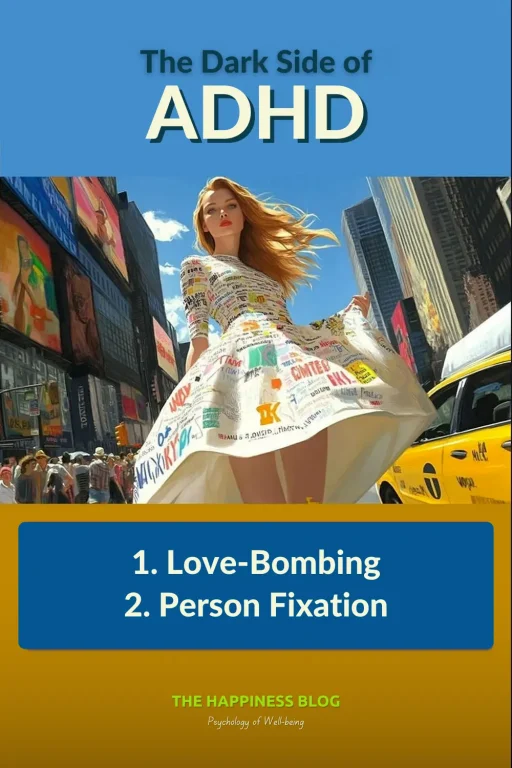
Attention Deficit Hyperactivity Disorder (ADHD) can strain relationships by creating patterns like love-bombing and a hyperfixation on one person.
- Love-bombing is a manipulative behavior. It happens when someone showers too much attention, praise, or romantic energy quickly. This can feel controlling.
- Hyperfixation is an intense and prolonged focus on a single activity or object. It can help distract from stress, but it may also lead to avoiding important matters.
The partner without ADHD should be open, understanding, and ready to work together. This will help them overcome problems and build a strong relationship.
Unromantic Side of ADHD
Over 8% of American children ages 2 to 17 have been diagnosed with ADHD, according to this study.
- People with ADHD often get distracted, act impulsively, and feel hyperactive. This can make it hard for them to help their partner feel heard and understood.
- They find it hard to share their fears, secrets, and vulnerabilities openly. Or to express and accept intimacy.
- Forgetfulness, disorganization, and poor time management can cause missed dates, broken promises, and frustration for their partner.
- The ADHD partner often struggles with emotional regulation. This can lead to impulsive or risky decisions. Such choices may harm their romantic relationship.
What happens when their unique brain traits, like hyperfocus and a high need for dopamine rush, affect a relationship?

ADHD Love-Bombing, and Hyper-Fixation
- Hyperfixation: People with ADHD often focusfixate intensely on one person or activity. They can become so focused on it that they ignore other parts of their lives.
- Love-bombing (Intense Idealization) means giving a lot of attention. It includes grand gestures of attention, constant communication, and quick emotional escalation. People with ADHD can show unusually intense expressions of love early in relationships. This pattern often stems from their impulsivity, emotional intensity, and desire for deep connections.
People with ADHD can feel love and attachment. However, they need these feelings to be intense, which can lead to problems.
Wanting emotional highs and having poor impulse control can lead to strange ways of showing love in relationships. One example is love-bombing.
The good thing about ADHD love-bombing is that, even with over-the-top gestures, they don’t try to control the other person.
ADHD love-bombing and hyperfixation can have both positive and negative effects. At first, it feels flattering. It brings excitement and a special intensity to the relationship. But later, it can get overwhelming and build unrealistic expectations and strain.
From my clinical experience, ADHD love-bombing and hyperfixation indicate their strong need to connect at a deep level. However, this stems from their atypical neurological traits, not an intent to manipulate.
ADHD People Need Dopamine Rush
- Dopamine rush: Dopamine is a “feel-good” chemical. The brain releases it as a reward for enjoyable activities. Shopping, enjoying food, talking to friends, or spending time with someone you trust can raise dopamine levels. Scrolling through social media can do this too. For people with ADHD, the dopamine rush can feel very addictive. This leads them to keep doing activities that cause it.
People with ADHD often have lower dopamine levels. So they often seek new and exciting things to boost their dopamine. Their love-bombing can be a way to seek novelty and excitement. And it can affect their relationships in both good and bad ways.
Imagine Sarah, who has ADHD, starts dating Alex.
Positive Side:
Sarah’s thrill-seeking nature leads her to plan unique and thrilling dates. They enjoy surprise weekend trips. They also try new activities, like rock climbing. Plus, they take gourmet cooking classes together.
Alex finds this spontaneity and adventure exhilarating. Sarah makes every moment feel special and fresh. This keeps their relationship vibrant and alive. Alex feels cherished and excited about their future together.
Negative Side:
But, over time, Sarah’s need for constant novelty starts to create issues. She starts to expect each day to be exciting. Routine parts of the relationship became boring for her.
When life becomes routine, Sarah feels restless and unhappy.
This pressures Alex to meet her need for constant excitement. It creates unrealistic expectations. Alex feels inadequate and stressed. He can’t always offer new and exciting experiences.
The relationship, once exciting, now feels strained. The weight of unmet expectations is heavy.
People with ADHD often experience hyperfixation. This means they can focus intensely on a certain person or activity. It can feel good at times, but can also add pressure on a partner. This makes the relationship more complicated.
Dr. Ellen B. Littman, a clinical psychologist specializing in treating those with neurodiverse brains for over 30 years, says this for ADHDers in relationships:
“People with ADHD crave novelty and stimulation to remain engaged, but they must also cultivate skills to manage their impulses and communicate effectively with their partners, ensuring healthier and more sustainable relationships.”
How To Handle ADHD Love-Bombing & Hyperfixation
Some helpful tips to handle ADHD love-bombing and hyperfixation:
1. Improve Communication Challenges
People with ADHD struggle to express their thoughts and feelings openly and clearly. They hesitate to let their guard down. They prefer not to mention their weaknesses. They expect others to understand them anyway.
This breeds a ground for misunderstandings and disputes.
To fix this, both partners need to handle every communication with patience, empathy, and psychological safety.
Feeling safe with your ADHD partner’s vulnerability is key. Working together to solve problems reduces arguments and builds your relationship.
Both should learn how to be active listeners.
2. Tackle Organization and Time Management Issues
People with ADHD struggle with executive functioning skills, like organizing things and managing time.
They find it hard to keep track of appointments, complete tasks on time, and balance their schedule. They also tend to overcommit and overextend themselves.
All of which adds to their background stress and frustration, both for themselves and their partner.
The best solution for most of them is to collaborate on this challenge:
- Working together (not blaming each other) to build a work discipline
- Learning to use tools to organize and schedule tasks and appointments
- Seeking professional help to overcome executive functioning obstacles.
3. Manage The Impulsivity and Forgetfulness
ADHD brains tend to be impulsive and forgetful, which frustrates their romantic partner.
They often do things impulsively and without thinking about what might happen. Such as buying a ticket for a weekend trip without informing their partner.
Some of the worst disputes in these relationships result from forgetting crucial dates, like anniversaries and birthdays.
The non-ADHD partner needs to work with them to understand their memory issues and impulse triggers, instead of blaming them.
They can work together to find ways to cope with their ADHD impulsivity and keep their relationship happy.
4. Deal With Distractibility & Distractions
People with ADHD are easily sidetracked by distractions. They can’t keep their focus on their partner’s or the relationship’s demands.
On the other hand, they might also hyperfocus on certain activities or interests. These pursuits may fall too far outside the relationship, making them neglect the vital aspects of the relationship.
Mindfulness practice can be an effective way to manage easy distractibility and maintain a healthy focus on their relationship.
5. Strengthen Compassion, Commitment, and Mental Stimulation
The foundation of a successful relationship with someone with ADHD lies in compassion, commitment, and an understanding of their need for mental stimulation. Let’s break them down:
- Compassion: Recognize that their behaviors, like forgetfulness or distractibility, are not what they do intentionally, but they are part of their neurodivergent condition. Engage them with curiosity to understand their struggles. Empathize with their challenges, showing patience, active listening, and support.
- Commitment: Commitment in an ADHD relationship means a long-term dedication to work through difficulties, participate in therapies, and support each other in managing ADHD symptoms. It keeps them both going strong through tough times. It adds to the relationship’s longevity and health.
- Mental Stimulation: Mental stimulation is key for people with ADHD, who thrive on novelty and engagement. Partners can support this by introducing new activities, encouraging interests, and being open to spontaneity. This keeps the relationship exciting and helps manage ADHD symptoms, balancing engagement with stability.
A lot of people with ADHD know how their symptoms affect their partners. They are also willing to take steps and go to therapy to keep the relationship healthy.
Advice to the ADHDers in romantic relationships: ADHD is an explanation; it explains why you may behave in certain ways. Don’t make it an excuse for bad behavior.
Positive Side of ADHD In Love Relationships
ADHD can bring unique strengths and qualities to a relationship:
- Creativity and Spontaneity: People with ADHD often bring a creative and spontaneous energy to relationships. Their unique worldview can be refreshing and inspiring for their partners.
- Compassion and Empathy: They have high levels of empathy. This makes them more tuned to their partner’s emotions and needs, and more willing to handle relationship challenges together.
- Sense of Adventure: Their natural sense of adventure can add excitement and novelty, keeping the relationship vibrant and interesting.
- High Energy and Enthusiasm: Their characteristic high energy and enthusiasm can translate into an exciting relationship experience.
- Openness to Exploration: Their willingness to try new things, including exploring deeper forms of intimacy, can make for a fulfilling and passionate partnership.
ADHD is not a predetermined path to failure. Dr. Edward Hallowell, an ADHD expert, asserts, “ADHD can be a blessing or a curse, depending on how it’s managed.”

Treatment and Coping Strategies
ADHD is a lifelong condition, but when properly approached and treated, it can lead to success and joy in life, career, and relationships.
Medication and Therapy
- Medication: Common medications like Adderall and Ritalin can significantly improve focus, executive functioning, and impulse control in individuals with ADHD.
- Therapy: Cognitive-behavioral therapy (CBT) is particularly beneficial for those with ADHD, helping them develop coping skills, better emotional regulation, and the ability to understand the demands of the relationship.
Strategies for Improved ADHD Relationships
- Active Listening: Active listening skills can help people with ADHD understand their partner’s point of view and help them respond thoughtfully, fostering deeper communication.
- Compassionate Communication: Communicating with compassion can prevent and resolve misunderstandings and strengthen emotional bonding.
- Emotional Regulation Techniques: Awareness and detachment techniques, like mindfulness and deep breathing, can help manage emotions effectively. The couple can practice together, reducing their frustrations and resentments, and maintaining a healthy relationship dynamic.
- Overcoming Distraction: Tackling ADHD distraction is key to maintaining intimacy and overall relationship satisfaction. Strategies like organizing daily schedules, prioritizing tasks, and breaking larger tasks into smaller steps can significantly help individuals with ADHD stay focused and attentive in their relationships.
- Engaging in Stimulating Activities: Choosing activities that are both stimulating and enjoyable can have a positive impact on the ADHD person. These activities help counteract depressive feelings and enhance overall happiness and engagement in the relationship.
References (click to expand)
Further Reading:
1. Song, P., et al. (2021) – The prevalence of adult attention-deficit hyperactivity disorder: A global systematic review and meta-analysis. Journal of Global Health, 11, 04009.
2. Beaudoin, A., et al. (2017) – Executive functions in adults with ADHD. Journal of Attention Disorders, 21(7), 579-588.
3. Wender, P. H., et al. (2001) – Adults with ADHD. An overview. Annals of the New York Academy of Sciences, 931(1), 1-16.
4. Hupfeld, K. E., et al. (2019) – Living “in the zone”: Hyperfocus in adult ADHD. ADHD Attention Deficit and Hyperactivity Disorders, 11(2), 191-208.
5. Pera, G. (2016) – Attention Deficit Disorder in Adults: A Different Way of Thinking (4th ed.). Taylor & Francis.
6. Ozel-Kizil, E. T., et al. (2016) – Assessing attention in ADHD: Comparison of the Attention Network Test and the Test of Variables of Attention. Journal of Attention Disorders, 20(11), 958-965.
7. Stokes, M. A., et al. (2007) – Stalking, and social and romantic functioning among adolescents and adults with autism spectrum disorder. Journal of Autism and Developmental Disorders, 37(10), 1969-1986.
8. Post, R. M., et al. (2014) – More stressors prior to and during the course of bipolar illness are associated with more adverse outcomes. Acta Psychiatrica Scandinavica, 129(5), 384-396.
9. Mercer, L., & Allely, C. S. (2020) – Autism spectrum conditions and stalking. Journal of Criminal Psychology, 10(3), 201-212.
10. Sperry, L., & Brunero, S. (2021) – Neurodiversity and behavioral patterns: A review of the literature. Neurodiversity Studies Quarterly, 3(1), 45-63.
Final Words
A 2025 British Journal of Psychiatry study found that people diagnosed with ADHD had shorter lives than matched controls, about 6.78 years less for men and 8.64 years less for women. The gap is probably driven by factors like substance use, other health conditions, and unequal access to medical care, not the diagnosis alone.
ADHD can complicate romantic relationships, but with the right strategies, like safely allowing each other’s vulnerabilities, these relationships can be lasting and fulfilling.
One person with ADHD puts it this way: “We may not be easy, but we’re worth it.”
√ Also Read: How Can “Insight Meditation” Help Your ADHD Symptoms?
√ Please share this with someone.
» You deserve happiness! Choosing therapy could be your best decision.
...
• Disclosure: Buying via our links earns us a small commission.