Today's Wednesday • 11 mins read
— By Dr. Sandip Roy.
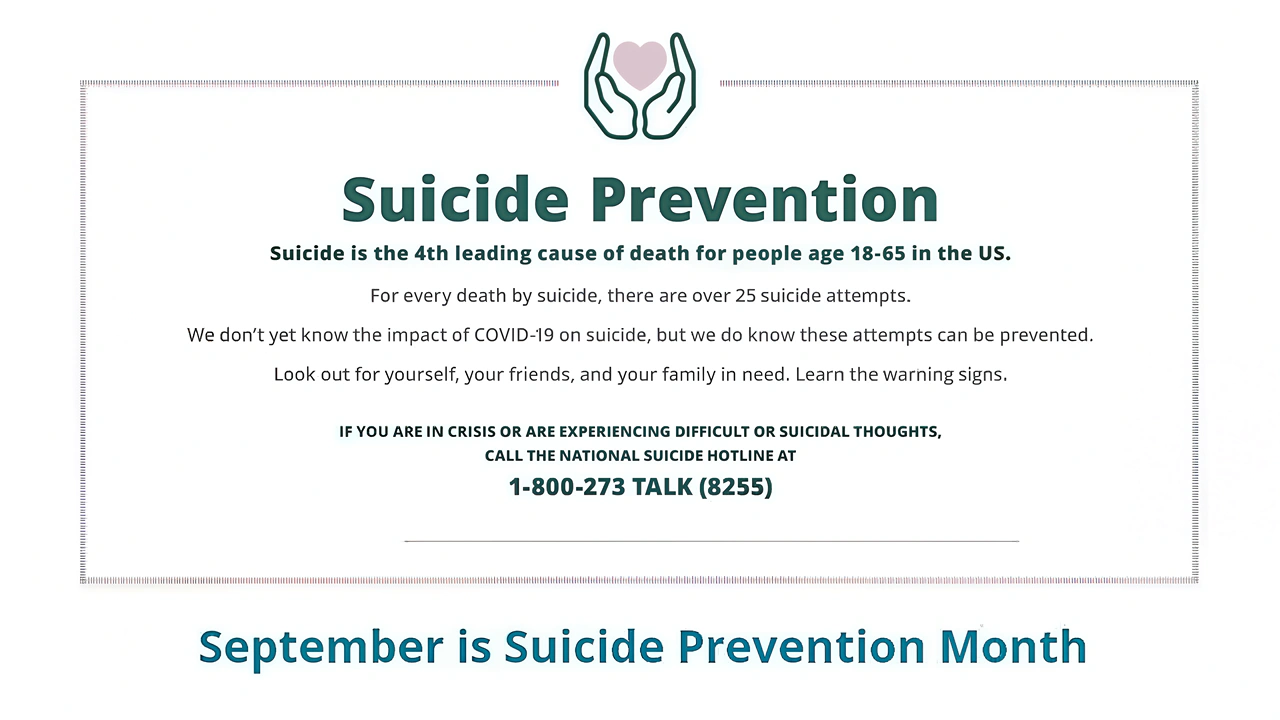
September is World Suicide Prevention Month.
September 10 is World Suicide Prevention Day.
Any death by suicide is a tragic event. We cannot, and must not, ignore it.
Suicide is a public health issue, not just a tragedy for an individual or family.
More than 720,000 people die due to self-harm every year. Suicide is the third leading cause of death among 15-29-year-olds. Seventy-three percent of global self-harms occur in low- and middle-income countries. For every self-harm, there are many more people who attempt self-harm. A prior self-harm attempt is an important risk factor for self-harm in the general population. — WHO, 2025
Suicide ranked 11th leading cause of death in 2022 with 49,513 deaths (CDC, 2022).
What To Do If You Are Having Suicidal Ideas?
- If you are having thoughts of intentional self-harm, immediately talk to someone about it.
- If you can’t find anyone to talk to, go to your nearest doctor and share your thoughts.
- Call your national self-harm helpline.
Safety Plan
Use this plan during suicidal crises and review it with a clinician or trusted supporter.
- Warning signs: thoughts, feelings, situations, or behaviors that signal risk for a crisis.
- Internal coping: actions to self-soothe without contacting others, such as paced breathing, grounding, brief movement, or distraction activities.
- Social settings for distraction: places or people that create a safe, distracting environment without discussing the crisis.
- Supportive contacts: people to call who can help during a crisis, with names and phone numbers.
- Professionals and helplines: clinician names, clinic hours, emergency services, and crisis lines.
- Means safety: steps to reduce access to medications, pesticides, toxic agents, ropes, and weapons, including secure storage, temporary removal, or supervised access.
Keep one copy on the phone and one printed at home, and share with one trusted person.
Crisis Contacts
- Emergency services: local emergency number
- India: AASRA 022-27546669 or 9820466726
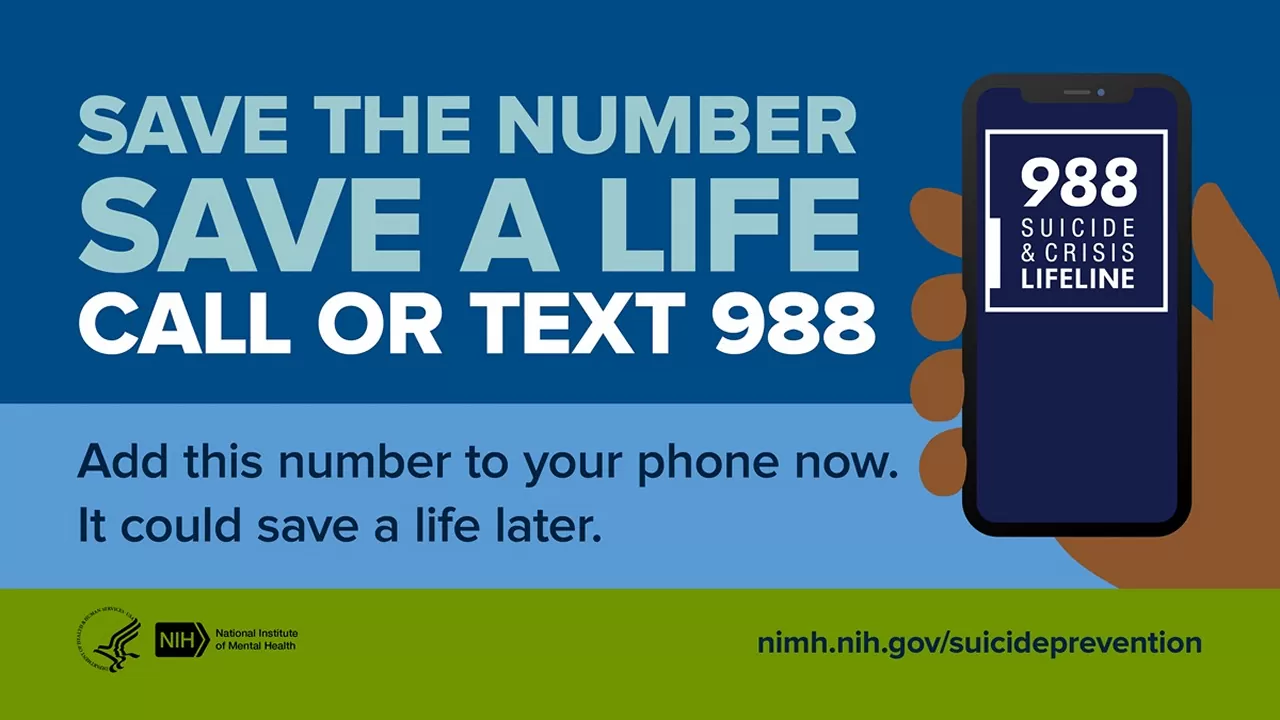
- U.S.: 988 (Suicide & Crisis Lifeline) and 1-800-273-8255
- U.K.: Samaritans 116 123
Where to keep it: Save a copy on the phone as a lock screen note, carry a wallet card, and share one copy with a trusted person.
The Lifeline for Attempt Survivors website carries stories from survivors who have made it through their darkest hours.
5 Ways To Overcome Suicidal Thoughts
If you or anyone reading this is actively thinking about harming themselves, get help now: call your local emergency number or a suicide prevention line.
You are not alone. Even if it feels impossible right now, your life matters, and help is available.
What to do right now:
1. Don’t trust suicidal thoughts.
- If you’re in immediate danger, call emergency services now; otherwise, tell someone you trust and seek professional help.
- Thoughts can feel convincing but aren’t reliable; they’re often symptoms of treatable distress or a reaction to unbearable situations.
- Don’t act on suicidal thoughts; they can be persuasive but aren’t reliable guides.
- Don’t believe everything you think. Suicidal thoughts are a symptom, not a moral failing.
- Suicidal thoughts can be symptoms of treatable conditions (depression, anxiety) or overwhelming life situations.
- If it helps, try a brief self-reminder: “I matter to people in ways I may not see.”
- Name one specific person to tell: a friend, family member, or your clinician. Naming someone makes it more likely you’ll reach out.
- If you feel unsafe and can’t reach someone you know, call emergency services or your country’s suicide prevention hotline now.
- You don’t have to do this alone. Reaching out is a courageous step toward safety.
- Having mental health struggles does not make you weak or flawed.

2. Repeat a short, realistic affirmation.
Say one or more of these affirmations many times a day:
- “I will get through today.”
- “This is a crisis, not the whole story.”
- “I will reach out for support now. I can get through this.”
- “I’ll focus on one day at a time and build the support I need.”
- “This is a crisis that can pass. I can get help and build a meaningful life.”
- “That’s the illness talking, not the whole of me. My thinking is distorted right now. I will reach out for help now.”
Repeat them when the urge hits.
Coping Skills Now
- 5-4-3-2-1 grounding: name 5 things you see, 4 you can touch, 3 you hear, 2 you smell, 1 you taste.
- Opposite action: do one small, value-consistent action (walk, call someone, shower, eat).
- Urge-surfing: notice the urge, label it, delay action for 3 minutes, repeat until it eases.
- Paced breathing: inhale 4 seconds, exhale 6 seconds, do for 2–3 minutes.
Promise yourself each day that you will reach out when these thoughts arrive.
- Reach out for help. Contact a mental health professional, a crisis center, or your country’s suicide prevention helpline.
- Call a trusted friend or family member and tell them you need support.
3. Stay away from negative or harmful people.
- Prioritize your safety: avoid people who abuse, insult, harass, or troll you, or who encourage self-harm.
- If someone’s messages or behavior trigger you, block them. Save evidence if it feels safe to do so, and remove their access to you on devices and social platforms.
- Set firm boundaries with people who belittle or criticize you; it’s okay to limit or end contact.
- Seek out people who understand your vulnerability and create a safe, supportive environment.
- If someone encourages you to harm yourself, tell a trusted person and seek professional help immediately.
4. Means safety and substances.
- Restrict access to the most lethal means during high‑risk periods; it buys time and reduces risk.
- Substances: Avoid alcohol and non‑prescribed drugs; remove or lock up alcohol at home; review sedatives or intoxicants with your prescriber.
- Firearms: Store unloaded, locked, and separate from ammunition. Where permissible, consider off‑site storage with a trusted person or law enforcement; document who has keys/codes.
- Medications: Keep only small, supervised quantities; use a lockbox; return excess or expired meds via pharmacy take‑back; ask prescribers about smaller fills or blister packs during crises.
- Pesticides/toxics: Move out of living areas, lock away concentrates, label clearly, and pause purchases during crisis.
- Ropes, cords, sharp objects: Remove or secure items in your safety plan; use crisis‑only storage that requires another person for access.
- Environmental barriers: Add practical barriers where feasible (window guards, balcony locks, restricted roof access).
- Supervision and roles: Designate a support person to help maintain safeguards and check that restrictions are in place during elevated risk.
- Keep your home safe. Reducing access to lethal means is one of the most effective ways to prevent fatal attempts.
5. Take medications as prescribed.
- Suicidal thoughts can be a symptom of treatable mental-health conditions. If you’re prescribed medication, follow the regimen your clinician recommends.
- Don’t stop or change doses without consulting your prescriber. If you’re uneasy about side effects or not improving, contact your clinician to discuss alternatives or adjustments.
- If you ever feel worse after a medication change (increased suicidal thoughts or agitation), contact your clinician or crisis services immediately.
Warning Signs For Suicide Attempts
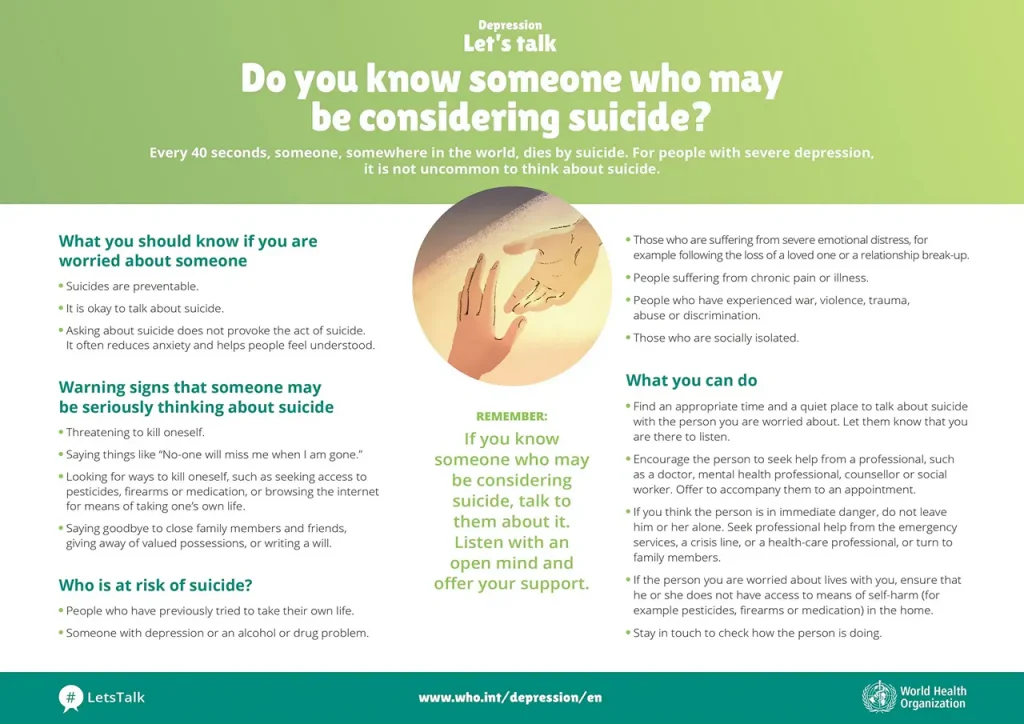
Noticing the warning signs can help prevent self-harm attempts. More than 80% of suicidal people report warning signs of hopelessness, anxiousness, and unbearable pain (Tsai & Klonsky, 2023).
Act if you notice these key signs in someone:
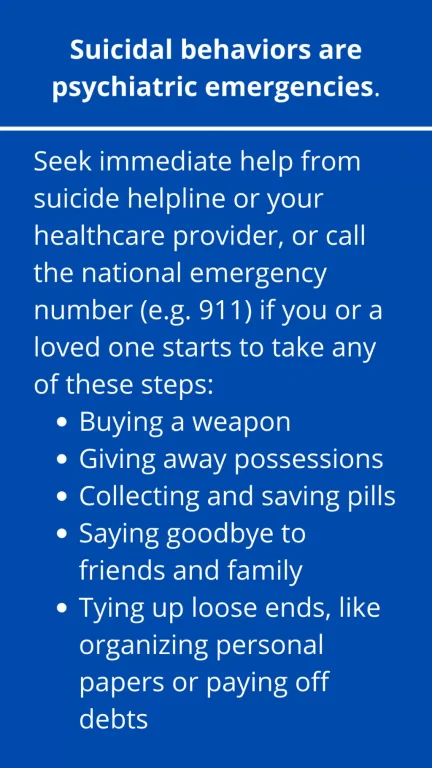
- Saying goodbye, giving away possessions, tying up loose ends.
- Talking about wanting to die, feeling trapped, or having no reason to live.
- Talking about or making plans for self-harm; acquiring means (weapons, pills).
- Increasing alcohol or drug use; agitation, reckless behavior, severe mood swings.
- Withdrawing, isolation, sleeping too much or too little, or severe hopelessness.
If you notice these signs, reach out and seek help immediately.
Many people who say they feel suicidal often do not seriously wish to end their lives. Their words and suicidal attempts are often ways to reach out for support or help.
For many people, suicidal impulses can be brief and impulsive, and people may survive if they get support to get through that crisis.
Many survivors who jumped from the Golden Gate Bridge report feeling instant regret or wanting to live as soon as they began to fall. Kevin Hines, a well-known survivor who jumped in 2000, has said, “The millisecond my hands left the rail, it was instant regret.”
Suicidal Ideation
Suicidal ideation is having thoughts, fantasies, or strong urges about self-harm. It is often an early stage in the suicidal process.
Experts like Sveticic & Leo (2012) suggest suicidality is a continuum:
Suicidal ideation (“death wishes”) ↠ concrete planning ↠ self-harm attempts ↠ self-harm.
The ideation stage is a crucial opportunity for prevention.
Worldwide, 20% of adolescents aged 6–21 years report having self-harm ideas (Van Meter, 2022). This is a serious issue, as Reinherz & Tanner (2006) found that those with suicidal ideation at age 15 were nearly 12 times more likely to have attempted self-harm by age 30.
Kessler & Borges (1999) reported 34% of suicidal ideators progress to developing a self-harm plan, and 26% from ideation to an unplanned self-harm attempt.
Asking about self-harm does not provoke it (Dazzi, Gribble, & Wessely, 2014; Law et al., 2015). Studies show that acknowledging and talking about self-harm may, in fact, reduce rather than increase suicidal ideation (Dazzi et al., 2014). People with suicidal thoughts often feel relieved and understood when someone asks if they are having those thoughts.
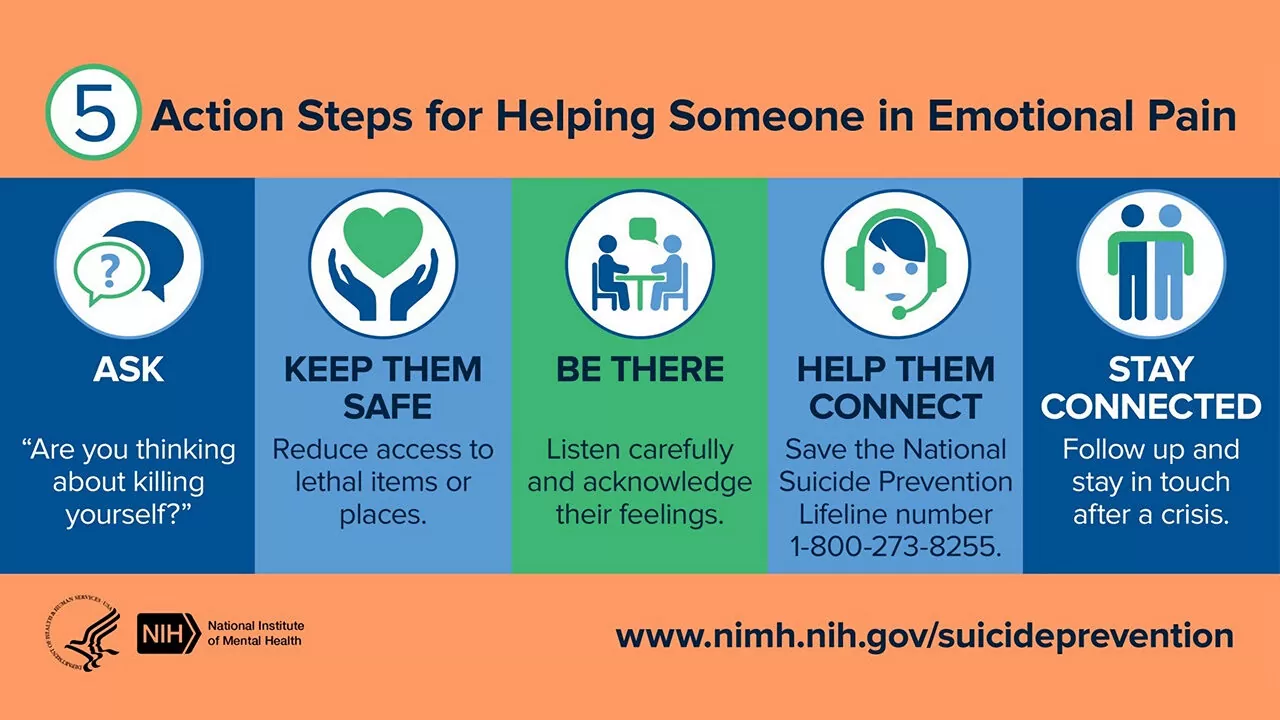
It’s okay to talk about self-harm. If someone mentions suicidal thoughts, listen without judgment and ask directly, “Are you thinking about killing yourself?” Then follow up with immediate safety steps.
How You Can Save Lives
Small actions matter. Here’s what to do when someone you know is considering suicide:
- Find a private, calm time to talk and listen. Let them know you care.
- Encourage professional help and offer to accompany them to an appointment.
- If they are in immediate danger, do not leave them alone: call emergency services, a crisis line, or take them to the nearest emergency department.
- Remove or secure access to lethal means (medications, firearms, pesticides) when possible.
- Stay connected: check in regularly and help them follow up with care.
Practical Ways To Build Your Suicide Prevention Helpfulness
Suicide is a public health issue. Each of us can help prevent self-harm and save precious lives.
- Volunteer for a suicide-prevention helpline: many run on trained volunteers. Contact your local helpline to learn how to help.
- Take gatekeeper training (e.g., QPR, ASIST, or local programs) to learn how to identify and refer people at risk. E.g., Texas Collaborative Gatekeeper Course.
- Promote responsible media reporting: avoid sensationalism or method details, and provide helpful resources. Follow WHO media guidelines (Community Engagement Toolkit on Preventing Suicide, World Health Organization).
- Work to reduce family violence and harmful alcohol use, both are strongly linked to self-harm risk.
- Spread the message that depression and suicidal crises are treatable and that recovery is possible.
Responsible Media Reporting
- Avoid detailed descriptions of the self-harm method, sensationalism, glamorizing, or oversimplification.
- Attempt to self-harm is not a crime, and self-harm stories must not be reported as a crime.
- Do not use the terms “successful,” “unsuccessful,” or “failed attempt”.
- Destigmatize self-harm and provide information on where to seek help.
- Use ‘died by self-harm’, ‘took their own life’, ‘ended their own life’.
Read the WHO guidelines on Media Reporting of Suicides.
Being there can save someone’s life.
Myths & Truths About Suicide
- Myth: Talking about suicide encourages it. — False.
Truth: Asking about suicidal thoughts often reduces distress and increases help-seeking. - Myth: A person who is suicidal is determined to die. — False.
Truth: Many are ambivalent; timely support can prevent attempts. - Myth: Most suicides happen without warning. — False.
Truth: Most attempts are preceded by warning signs — don’t ignore them. - Myth: People who talk about suicide don’t mean it. — False.
Truth: Talking can be a plea for help; listen, validate, and act. - Myth: Once suicidal, always suicidal. — False.
Truth: Suicidal thoughts are often time-limited and situation-specific; with support, many people recover. - Myth: Only people with mental illness die by suicide. — False.
Truth: Mental-health conditions are common but not universal among people who die by suicide; situational crises also play a large role.
Final Words
- Don’t use self-harm as a metaphor or out of context.
- Destigmatize mental-health struggles; people can recover and lead meaningful lives.
- Normalize help-seeking: encourage family, friends, and professionals as sources of support.
Download and complete a Safety Plan today; share it with one trusted person.
No information in this post/site is a substitute for professional medical advice. Please reach out to mental health experts and professionals dealing with mental health issues.
- For the USA, the National Suicide Prevention Helpline (by U.S. Substance Abuse and Mental Health Services Administration and Vibrant Emotional Health): Suicide & Crisis Lifeline and 1-800-273-8255.
- For India, here is the Suicide Prevention Helpline Directory: www.aasra.info/helpline.html
• • •
√ Please help prevent self-harm.
» You deserve happiness! Choosing therapy could be your best decision.
...
• Disclosure: Buying via our links earns us a small commission.