
Today's Saturday • 6 mins read
The world today celebrates vulnerability and oversharing. Authenticity matters, no doubt.
But with so many human hyenas in our midst, discretion may serve your long-term interests better.
Some things are best kept private to protect your relationships and personal growth. There’s value in strategic privacy. Selective sharing can protect both your future well-being and success.
If in doubt, always operate from these two ground rules:
- Don’t share what they don’t ask.
- Don’t give them all that they ask for.
Draw clear boundaries about what you won’t share with others. to safeguard your growth and your success potential.
Never tell others these seven things about your life:
1. Don’t Share Your Weaknesses.
Don’t tell people your weakness. If they can, they will use them against you.
Of course, authenticity demands transparency. But if you blindly disclose all your weaknesses, they will likely form a poor opinion about you.
Then they might see you through that lens of weakness for the rest of their life, even if they don’t use it against you or tell other people about it.
First impressions matter. Early disclosures of your vulnerabilities can influence other people’s perceptions in a big way, and for a long time. Confirmation bias makes sure they’ll see evidence that supports this view while ignoring information that goes against it.
You don’t have to project false strength from trusted people. Just stay strategic about timing and context.
Don’t talk about your vulnerabilities before you have to or with someone who wouldn’t care if you did.
Build relationships and establish competence before revealing your weaknesses.
Why hand people your weapons they might use against you?
2. Don’t Talk About Your Failures.
Don’t tell people your failures. They will always see you as a failure and never give you an opportunity.
Our culture’s celebration of “failure resumes” suggests that transparency about setbacks leads to growth. While processing failures is essential for learning, broadcasting them can create lasting negative impressions.
Studies on the “fundamental attribution error” reveal that people tend to attribute others’ failures to character flaws rather than circumstances. Your failed business venture might be seen as evidence of poor judgment rather than market timing or valuable experience.
Share failures selectively with mentors who can provide guidance or peers in similar situations who can offer support.
For broader audiences, focus on lessons learned and subsequent growth rather than dwelling on the failure itself.

3. Don’t Declare Your Next Big Move.
Don’t tell people your next big move. Move in silence. Take action and shock them with your results.
Not telling others about your big goals may seem counterintuitive. Don’t we need accountability partners?
This study suggests that when we publicly announce our intentions, we often experience a premature sense of completeness that weakens motivation.
This phenomenon is called the “intention-behavior gap.”
Sharing goals provides immediate social satisfaction. This tricks your mind into simulating the feeling of already having achieved them. So, your brain gets a reward without having done the work. And this cuts your motivation to take the actions needed to actually complete the goal.
Instead of announcing goals, share progress after you’ve already built momentum. Let your consistent action create accountability, not your declarations.
4. Don’t Reveal All Your Future Plans.
Don’t tell people your plans or goals. They will sabotage you.
Beyond specific goals, your broader strategic plans benefit from privacy.
Premature disclosure of plans creates unnecessary obstacles: resistance from those threatened by your growth, unsolicited advice from the inexperienced, and subtle sabotage from competitors.
Psychology research shows that exposure to criticism during early planning stages can derail creativity and commitment. Ideas need protected incubation before they’re robust enough to face scrutiny.
Move in silence. Take action and shock them with your results. This approach allows you to refine your direction without the noise of others’ projections and limitations.
5. Don’t Tell Them Your Dark Secrets.
Don’t tell people your deep, dark secrets. Only a fool reveals secrets and then wishes they didn’t become public fodder.
Treat your secrets as personal assets. Once revealed, secrets become social currency and could cost you much in terms of fear, shame, or weakness.
Studies on gossip and information sharing suggest confidential information can quickly spread through social networks. Most of the people (~90%) who claim they can keep secrets ultimately share them with at least one other person.
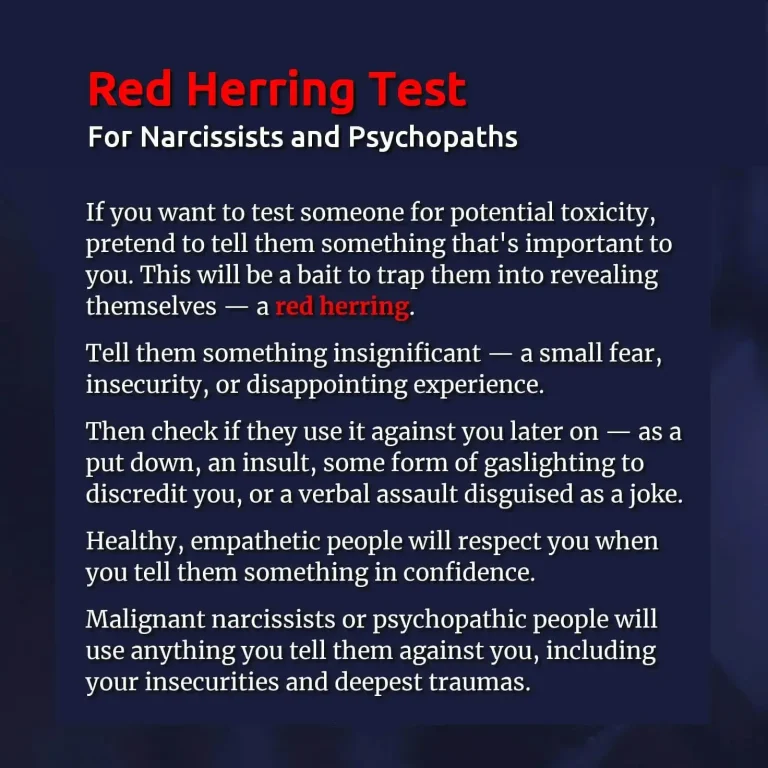
So reserve your intimate disclosures for those who have proven records of trustworthiness. A good option is the “concentric circles” approach: sharing different levels of personal information with different groups based on proven reliability.
6. Don’t Reveal Your Total Income.
Don’t tell people your income or the source of your income. Always make them wonder.
Financial transparency has potential benefits in specific contexts, like negotiating fair compensation or mentoring others. However, indiscriminate sharing of income details often creates more problems than it solves.
Research on social comparison theory indicates that income disclosure frequently damages relationships, triggering envy or altering power dynamics. Even close relationships can become strained when financial disparities become explicit rather than assumed.
Always make them wonder. Maintaining privacy around financial matters preserves relationship equality and prevents others from making assumptions about your resources or availability to help.
7. Don’t Share Your Personal Struggles.
Don’t tell people your personal struggles. They may judge you weak or gossip about you instead of offering support.
While it can be tempting to seek understanding, revealing your challenges may lead others to judge you as weak or gossip about your situation rather than provide the support you need.
Vulnerability can be a double-edged sword; instead of opening up, consider confiding in trusted individuals who will offer genuine empathy and assistance.
By keeping your struggles private, you maintain control over your narrative and protect yourself from potential negativity.
Final Words
In a world where information flows freely and stays on permanently, keeping some things strictly private is about personal safety.
Strategic privacy preserves options that premature disclosure would eliminate. Discretion creates space for growth, experimentation, and transformation without the weight of others’ expectations or judgments.
Not everything that can be shared should be shared. Your most valuable assets may often benefit from the protection of privacy.
• • •
√ Also Read: Betrayal-Proof: 13 Warning Signs of An Untrustworthy Person
√ Please share it with someone if you found this helpful.
» You deserve happiness! Choosing therapy could be your best decision.
...
• Disclosure: Buying via our links earns us a small commission.
