Today's Thursday • 9 mins read
Limerence and midlife crises are two separate phenomena that can intersect in unexpected ways.
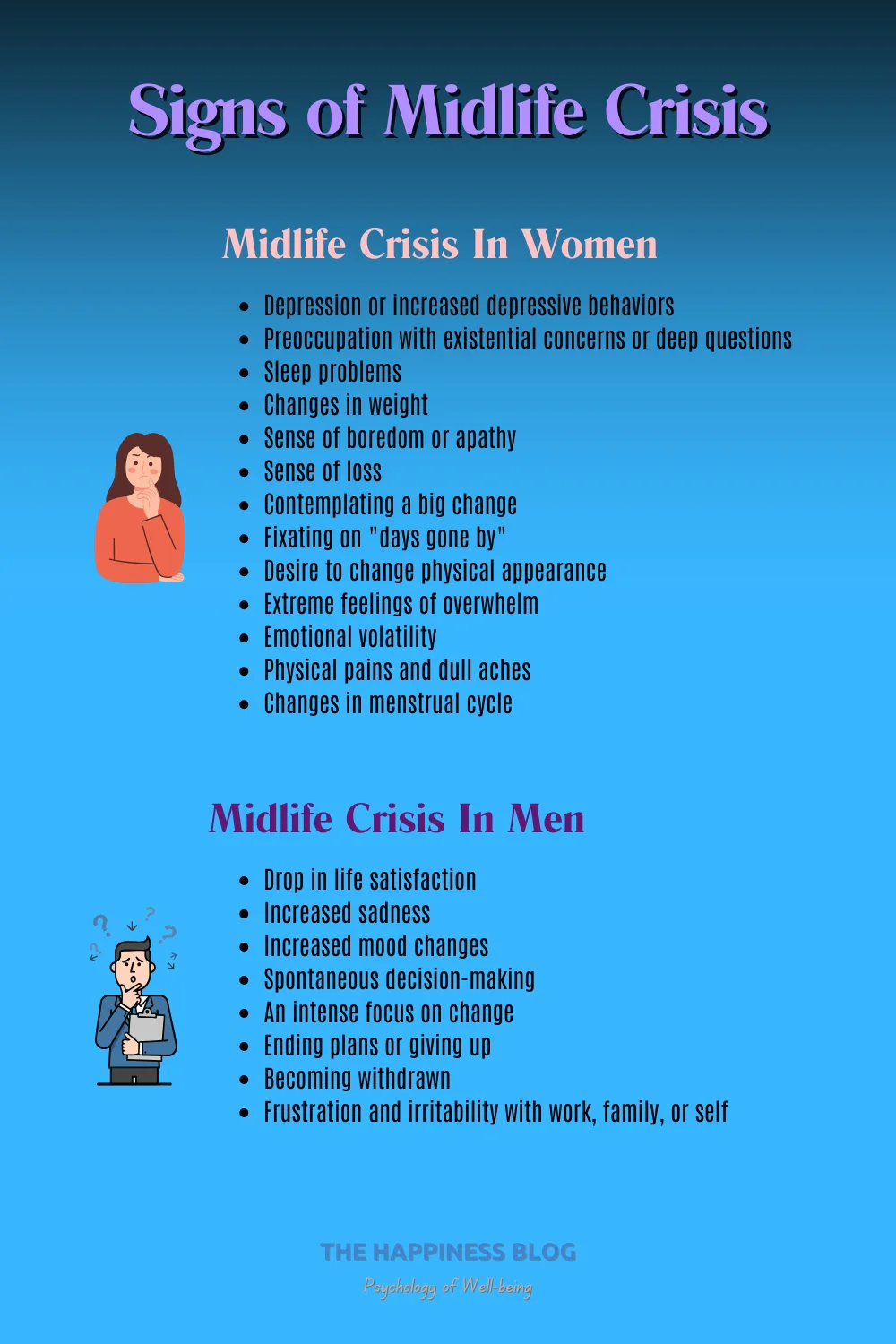
Midlife crises are a period of self-reflection and transition that often occurs between the ages of 40 and 60, and can be triggered by various factors such as aging, career changes, or the realization of unfulfilled goals.
Limerence is an intense infatuation or desperate crush that is often exhausting and unrequited for the limerent person. It can seem like passionate love at the start of a romantic relationship.
Though limerence can occur at any point in life, it is often seen during midlife crises.
Limerence and Midlife Crises
Midlife is a time when people are more susceptible to experiencing limerence, especially if they are feeling unfulfilled or dissatisfied with their current relationships or life circumstances.
In some cases, limerence can even be a symptom of midlife crises, as people seek to recapture the excitement and passion of their youth.
This can be particularly challenging for those who are married or in long-term relationships, as limerence can create a sense of guilt or dispute between their feelings and their commitment to their partner.
Navigating the intersection of limerence and midlife crises can be a complex and emotionally charged process. It asks for deep self-awareness, one’s values, and one’s priorities, as well as a willingness to be honest and vulnerable with oneself and one’s partner.
How Limerence Can Trigger Midlife Crises
Limerence, a state of being infatuated or obsessed with someone, can trigger midlife crises. Individuals who are in a long-term relationship may experience limerence for someone else, leading to feelings of confusion and guilt. This can cause them to question their current relationship and their life choices, leading to midlife crises.
How Midlife Crises Can Trigger Limerence
On the other hand, midlife crises can trigger limerence. Individuals going through midlife crises may feel a sense of loss or restlessness, leading them to seek out new experiences and relationships. This can result in limerence for someone new, as they search for meaning and purpose in their life.
Role of Limerence in Midlife Crises
Factors like loss of a relationship, financial loss or insecurity, ego hurt, self-doubt, aging, and thoughts of a limited time left to live can all contribute to both midlife crises and limerence.
Limerence can play a significant role in midlife crises, as it can lead individuals to question their current relationships and life choices. The intense feelings associated with limerence can cause individuals to act impulsively, leading to a breakdown in their relationship or career.
Role of Midlife Crises in Limerence
Midlife crises can also play a role in limerence, as individuals going through midlife crises may seek out new relationships or experiences to find meaning and purpose in their lives. This can lead to limerence for someone new, as they search for happiness and fulfillment.
Role of Self-Esteem in Midlife Limerence
Limerence, a state of intense infatuation, can often stem from low self-esteem.
People who lack self-esteem may seek acceptance, affection, and love from others to feel valued. They often desperately desire someone else to raise their self-worth.
This mental state can happen during midlife crises or other times when people question themselves and have self-doubt. This might explain their sudden, seemingly irrational behavior of limerence.
Overall, limerence and midlife crises are interrelated, and one can trigger the other. People going through both midlife crises and limerence need to explore their feelings, consider the impact of their actions on their current relationship, and make informed decisions.
Understanding Limerence
What is Limerence?
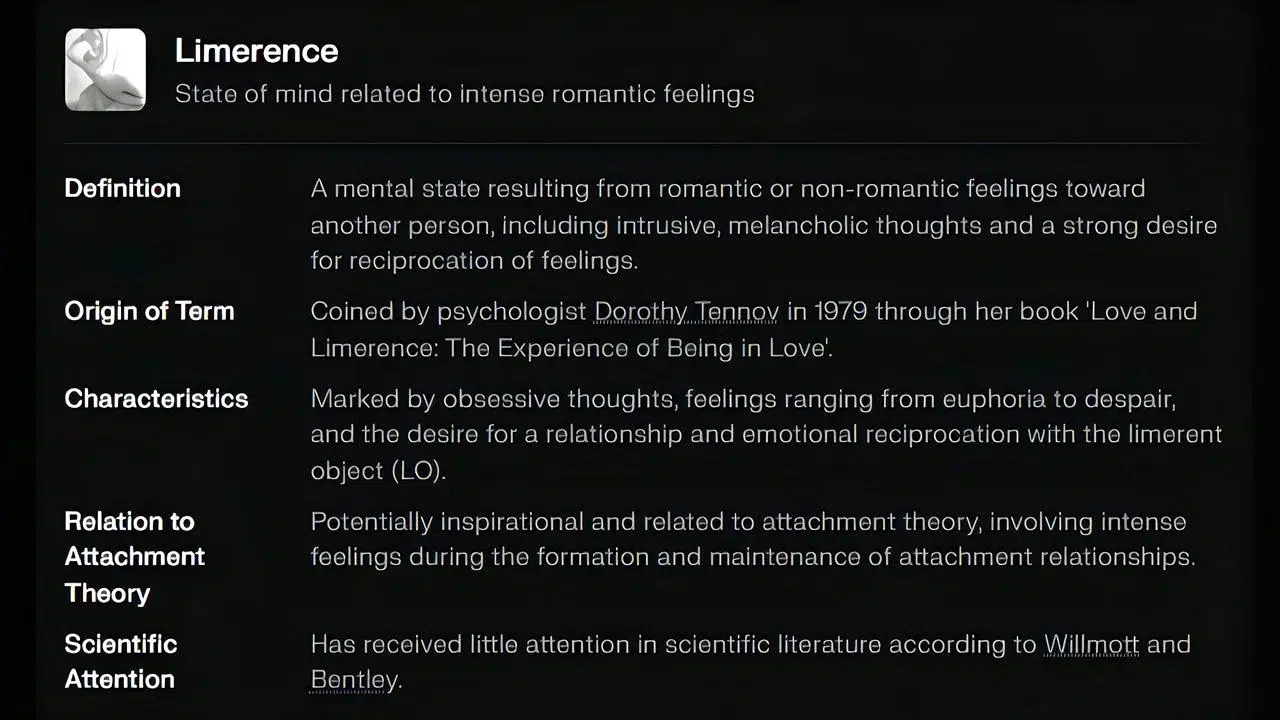
Limerence is an intense emotional state characterized by obsessive thoughts and feelings of infatuation towards a specific person, known as the “limerent object.”
Limerence is often confused with love, but love is a deep, long-lasting emotional connection, while limerence is a temporary state of intense infatuation.
Dorothy Tennov first identified and named “limerence” in her 1979 book, Love and Limerence: The Experience of Being in Love.
She defined limerence as “a state of intense romantic infatuation” characterized by:
- Intense feelings of longing and desire
- Obsessive thoughts about the other person
- A sense of euphoria when in the other person’s presence
- Anxiety and depression when the other person is not around
Tennov’s work on limerence has been influential in the field of psychology, and it has helped us to better understand the nature of romantic love.
Symptoms of Limerence
Limerence can be a very powerful emotion that can have a major impact on our thoughts, feelings, and behavior. It can be a positive experience, but it can also be a negative one if it leads to obsessive or destructive behavior.
Limerence can be identified by several symptoms:
- Idealization of the limerent object
- Fear of rejection or abandonment
- Intrusive thoughts about the limerent object
- Intense longing for reciprocation of feelings
- Heightened sensitivity to the limerent object’s actions and behaviors
- Physical symptoms, such as heart palpitations, sweating, and trembling
Causes of Limerence
The exact causes of limerence are not fully understood, but researchers believe that it is a combination of biological, psychological, and social factors. Some factors that may contribute to limerence include:
- Childhood experiences that affect attachment styles
- Hormonal changes and imbalances
- Unresolved emotional issues or trauma
- Social and cultural conditioning that promotes romanticized notions of love and relationships
It’s important to note that limerence can occur at any age, but it is more commonly experienced during midlife crises when individuals are already prone to self-doubt and ennui.
In conclusion, limerence is an intense emotional state that can be confused with love but is characterized by obsessive thoughts and feelings of infatuation towards a specific person.
It can be identified by several symptoms, and its causes are a combination of biological, psychological, and social factors.
If you or someone you know is experiencing limerence, seeking professional help can be beneficial in managing and overcoming this condition.
FAQs
1. Is there a connection between limerence and midlife Crises?
Yes, there is a connection between limerence and midlife crises. Limerence is an intense infatuation causing obsessive thoughts about someone, euphoria when near, and anxiety when apart. Midlife crises, typically in the mid-40s or 50s, involve introspection, restlessness, and a desire for change due to dissatisfaction with one’s life.
There are a few reasons why limerence and midlife crises may be connected.
- First, both conditions are associated with changes in hormones. During limerence, the brain releases increased levels of dopamine, a neurotransmitter that is associated with pleasure and reward. During midlife, there is a natural decline in testosterone levels in men and estrogen levels in women. This decline can lead to changes in mood, energy levels, and desire for intimacy.
- Second, both limerence and midlife crises can be triggered by life events. A person may experience limerence after meeting someone new whom they find attractive. Similarly, a person may experience a midlife crisis after a significant life event, such as a job loss, divorce, or the demise of a loved one.
- Third, both can lead to impulsive behavior. Limerent people may make rash decisions, such as leaving their spouse or quitting their job, to be with the object of their affection. Similarly, people who are going through midlife crises may make impulsive purchases, change their careers, or move to a new city.
2. What are the stages of midlife Crises?
- Denial: This is typically the beginning of midlife crises, and occurs as a person attempts to fight or deny that they are growing older.
- Anger: This stage is often characterized by feelings of resentment, frustration, and bitterness. People at this stage may lash out at others or become withdrawn and isolated.
- Replay: In this stage, people may start to reflect on their lives and wonder if they made the right choices. They may also start to compare themselves to others and feel like they are falling behind.
- Depression: This stage is characterized by feelings of sadness, hopelessness, and worthlessness. People in this stage may have difficulty sleeping, eating, or concentrating.
- Withdrawal: People in this stage may start to withdraw from social activities and relationships. They may also start to neglect their responsibilities at work or at home.
- Acceptance: This is the final stage of midlife crises. In this stage, people start to accept their age and the changes that come with it. They may also start to make changes in their lives to improve their happiness and well-being.
3. Do midlife-crisis relationships last?
In some cases, relationships formed during midlife crises can be a positive experience. They can provide a chance for people to explore new things and find new meaning in their lives. However, in other cases, such relationships can be destructive. They can lead to divorce, financial problems, and other negative consequences.
If you are considering entering into a relationship with someone who is going through a midlife crisis, be honest with each other about your expectations. Communicate openly and honestly about your feelings, and be willing to compromise and tone down your expectations.
4. Who is at risk for limerence?
Anyone could fall prey to limerence. Some argue that limerence occurs in the early stages of all relationships when two people are excited about each other. In normal cases, these intense feelings gradually mellow into a reciprocated, contented state of love.
However, those vulnerable to limerence often have a history of anxiety, self-injuring tendencies, or a general sense of discontentment or unhappiness. These individuals in limerent situations might find themselves more susceptible to spiraling into limerent states more often than others.
Final Words
Midlife is often a period of introspection and dissatisfaction with their life until then. Limerence during midlife crises, especially within an unsatisfactory marriage, is not rare.
Midlife is often a period of upheaval too, when people critically reassess and radically change their lives, including their relationships.
People in midlife crises experiencing limerence may see their long-term partner as flawed, incompatible, and unchangeable.
They often feel their life with their partner was futile, and may strongly want to leave them. They can become more likely to explore new relationships or have affairs.
For most people in midlife crises, this limerent phase is one-sided. However, for some, limerence can be all-consuming, leading them to separate from their long-time partner.
If you suspect yourself of having limerence, figure out if your midlife crises are the cause, as it can help you distinguish between love and limerence.
Seek help from relationship experts and midlife counselors to assess your feelings better and renew your sense of purpose and fulfillment to build healthier relationships.
√ Also Read: Love Vs. Limerence: How To Tell The Difference?
√ Please share this with someone.
» You deserve happiness! Choosing therapy could be your best decision.
...
• Disclosure: Buying via our links earns us a small commission.