Today's Saturday • 5 mins read
Gaslighting is a form of psychological manipulation where someone makes you question your own reality, memory, and sanity.
The goal is simple: control. By making you doubt yourself, the gaslighter gains power over you and avoids accountability for their actions.
- Gaslighting is manipulating someone psychologically to question their own sanity, particularly by leading them to doubt their own experiences or perceptions of reality.
- Gaslighter: the person doing the gaslighting.
- Gaslightee: the target person.
The term comes from a 1944 film where a husband dims the gaslights in their home but insists his wife is imagining the change.
These tactics follow a pattern. They target your basic trust in your own perceptions and memories. Then, over time, your confidence vanishes, and you increasingly depend on the gaslighter’s version of reality.
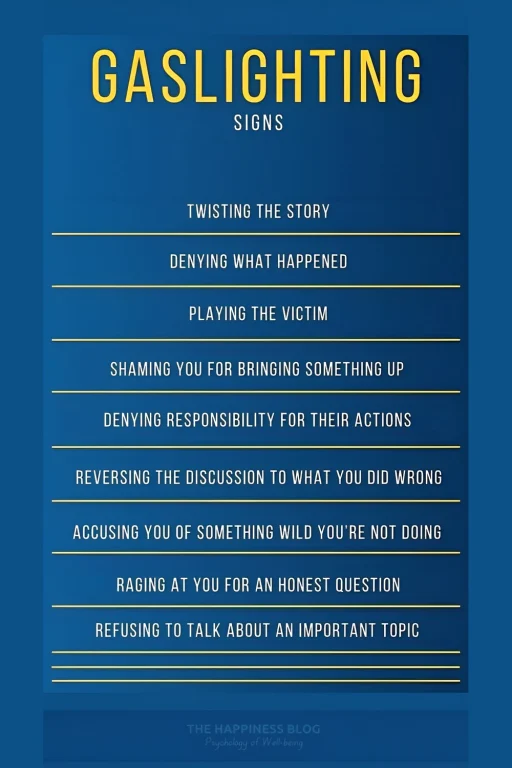
Here are 12 red flags of gaslighting and the psychological mechanisms that make them work.
1. Shifting Blame
They make you believe everything is your fault. This is strategic deflection.
By externalizing all blame, they avoid accountability and install a false internal locus of control in you, training you to self-incriminate.
You start apologizing for things you didn’t do. You feel responsible for their moods, their outbursts, their failures.
2. Denying Reality
They deny their actions or emotions when confronted.
“I never said that.” “You’re misinterpreting my tone.” This creates foundational reality confusion.
Your accurate perception is directly invalidated. You’re forced to choose between your senses and their narrative.
This undermines your basic trust in yourself and your self-belief that you can tell what’s true.

3. Weaponizing Help
They suggest “you need help” or “you’re too sensitive.” This pathologizes your normal reactions.
By framing your distress as a personal mental health flaw, they dismiss the validity of your feelings.
The focus shifts from their behavior to your supposed instability. Your reasonable upset becomes evidence of your weakness.
4. Invalidating Perception
They claim “you’re imagining things” or “that never happened.” This is a direct strike on your perceptual validity.
It aims to make you question your basic interpretation of reality. You become less certain of what you saw, heard, or experienced. Your dependency on their version of events increases.
5. Hiding Behind Good Intentions
They deflect responsibility by saying, “I was just trying to help” or “You misunderstood my intentions.”
This reframes harmful behavior as a communication failure or virtuous act. It dodges accountability by appealing to supposed good motives.
Your anger or hurt seems unreasonable. After all, they meant well, right?
6. Discouraging Scrutiny
They tell you, “You’re overthinking” or “You read too much into things.” This is a preemptive strike against your critical thinking.
It frames healthy skepticism and pattern recognition as a character flaw. It drives you almost to paranoia.
You’re overthinking and overanalyzing. This gatekeeps your investigative reasoning. You stop noticing patterns. You stop asking questions.
7. Distorting Your Memory
They insist “you have a bad memory” or recount events differently than you do.
This targets your episodic memory, a core component of self. By contesting shared history, they destabilize your sense of a continuous, accurate self.
You start doubting your sanity. Maybe you do remember wrong. Maybe you can’t trust your own mind.
8. Blemishing Your Character
They state, “The problem is you,” or project their insecurities onto you. This is globalized personalization.
The focus shifts from their specific actions to your inherent flaws. The conflict becomes about your worth rather than their behavior.
They struck at your self-esteem. You’re no longer addressing what they did. You’re defending who you are.

9. Imposing Emotional Amnesia
They urge you to “just forget about it” or “stop dwelling on the past.”
This denies the conflict’s legitimacy and your right to process it. It forces emotional amnesia. Issues fester. A cycle of unresolved dysfunction becomes normal.
You learn not to bring things up. You learn to swallow your hurt.
10. Undermining Your Credibility
They imply “you have your own problems” or “you’re not well.” This is an ad hominem dismissal.
Ad hominem is when someone tries to argue against an opponent’s idea by discrediting the opponent themselves.
It invalidates the content of your concern and strikes at the source: you. They don’t need to address the substantive issue.
Your credibility is punctured. Why listen to someone who’s unstable?
11. Reversing Victim and Offender
They accuse you of being the abusive one. This is DARVO.
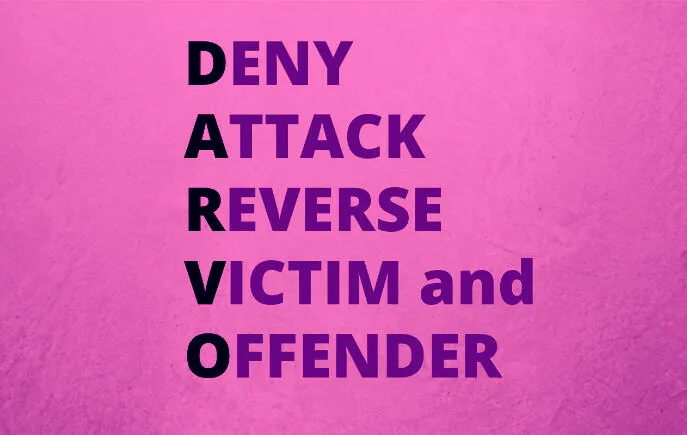
- First, they flatly deny that the wrongdoing occurred.
- Next, if the accuser persists, they severely criticize the accuser’s credibility or sanity.
- Finally, the narcissist portrays themselves as the victim and the other person as the offender.
The term acronym “DARVO” was first coined and introduced by American psychologist Jennifer J. Freyd, a researcher in betrayal trauma, to describe a manipulative tactic used by perpetrators of abuse to avoid accountability (Freyd, 1997).
The “RVO” creates profound moral confusion: you’re suddenly on the defensive. The power dynamic is completely reframed when they paint themselves as the victim, making you question whether you’re the problem.
12. Demanding Submission
They demand apologies and forgiveness for the pain you caused them. This forces a performative capitulation.
You must not only yield but also verbally affirm their moral high ground and your own guilt. This consolidates their control.
The conflict ends on their terms. You’ve agreed you were wrong.
Final Words
Gaslighting works because it’s incremental. No single instance seems catastrophic. But the cumulative effect is devastating.
You lose trust in your own mind. You second-guess your memories. You apologize for things you didn’t do.
The antidote is external validation. Talk to trusted friends. Keep records. Write down what happened right after it happens.
Your perception isn’t flawed. Your memory isn’t faulty. Gaslighting is real, and recognizing these patterns is the first step toward reclaiming your reality.
√ Also Read: 5 Reasons Why People Gaslight In Relationships
√ Please share this with someone.
» You deserve happiness! Choosing therapy could be your best decision.
...
• Disclosure: Buying via our links earns us a small commission.