
Today's Monday • 10 mins read
When you deal with a narcissist’s infidelity, you hear certain phrases repeatedly. The same justifications, accusations, and deflections come up again and again.
These are often calculated manipulations designed to keep you confused, defensive, and unable to trust your own perception. It’s called narcissistic gaslighting.
We focus on the actual words victims hear when they are caught. And what experts say about these toxic patterns. Consider this your decoder for the language of narcissistic infidelity.
What Do Narcissists Say When Caught Cheating
Narcissists are more likely to have short-term, low-commitment, or no-commitment intimate relationships (“hook-ups”). Studies show that highly narcissistic people often prefer, and sometimes openly pursue, short-term mating strategies (Reise & Wright, 1996).
These are some typical quotes that unmask a cheating female narcissist:
1. The Projection Play
They’re going to put the wrong things on you that they’re doing or you’re blaming them for. You can be almost sure that what you are being accused of is what they are actually involved in.
- “You’re the one who’s always looking at other people.”
- “You’re paranoid. You’re projecting your own guilt onto me.”
- “I’ve seen the way you talk to your coworkers. Don’t think I haven’t noticed.”
Dr. Ramani Durvasula explains this pattern: “An interesting tell on whether the narcissist is cheating on you is if you’re not, and they keep accusing you of cheating on them.”

2. The Deflection Defense
“I’ve had plenty of chances. Even some of your friends made a pass at me, yet I’m still here with you.“
This statement appears innocent on the surface. It sounds like reassurance. But pay attention to the subtext.
She’s reminding you that she has options. She’s telling you she could cheat if she wanted to. She’s making you feel insecure about your friends.
The message isn’t loyalty. The message is “I have power over you.”
3. The Space Demand
“I need time off from you.”
“You’re suffocating me. I can’t breathe in this relationship.”
“Stop violating my personal space.”
Shannon Thomas addresses this manipulation: “Psychological abusers are known for becoming jealous of any attention not being given to them.”
The irony is striking. They demand your complete attention while simultaneously demanding space when they need time with someone else.
4. The Blame Shift
“You’re making me do this.”
“If you paid more attention to me, I wouldn’t have to look elsewhere.“
“You drove me to this with your constant suspicion.”
The blame they place on you is performance art, not reality.
What They Say vs. What They Mean
- They say: “You’re too sensitive.”
- They mean: Your emotional reactions to my mistreatment are inconvenient for me.
- They say: “That never happened. You’re remembering it wrong.”
- They mean: I’m rewriting history to suit my narrative.
- They say: “Everyone thinks you’re controlling.”
- They mean: I’ve been running a smear campaign against you while you thought we were working on our relationship.
- They say: “I can’t believe you’d accuse me of that.”
- They mean: I’m going on the offense to make you apologize for catching me.
- They say: “You’re being paranoid.”
- They mean: Your instincts are correct, and I need to convince you otherwise.
What Experts Say About Narcissistic Cheating
Their Inability To Feel Genuine Love
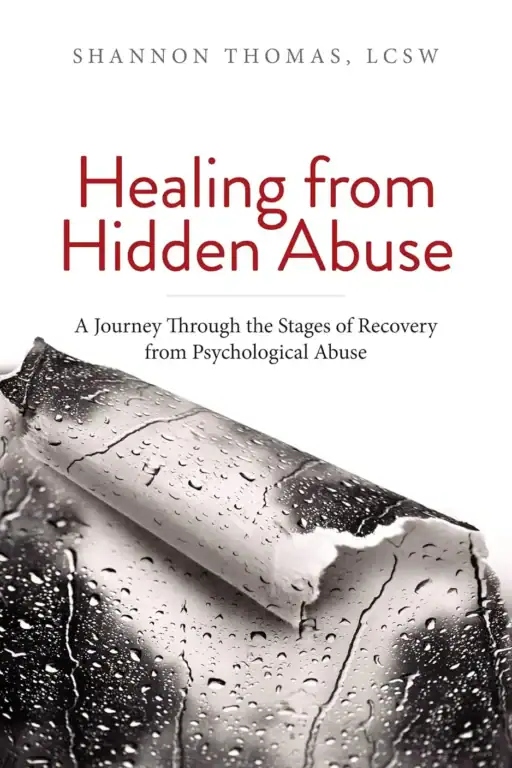
“If your definition of love is wanting to see another person authentically happy and living a fulfilled life, then the answer is no. Psychological abusers cannot feel love. They can only mimic what love looks like. – Shannon Thomas
Their Careful Manipulation
Narcissists plan for if you catch their infidelity. They are already ready with denial, gaslighting, and smear campaigns to prove you’re jealous and controlling.
“Abusers are out for emotional blood when they use gaslighting to undermine a target’s sense of self. They know exactly what they do. They want the survivors to look petty in the eyes of other people. They want them to question themselves and their grasp on reality.” – Shannon Thomas
Their Need for Narcissistic Supply
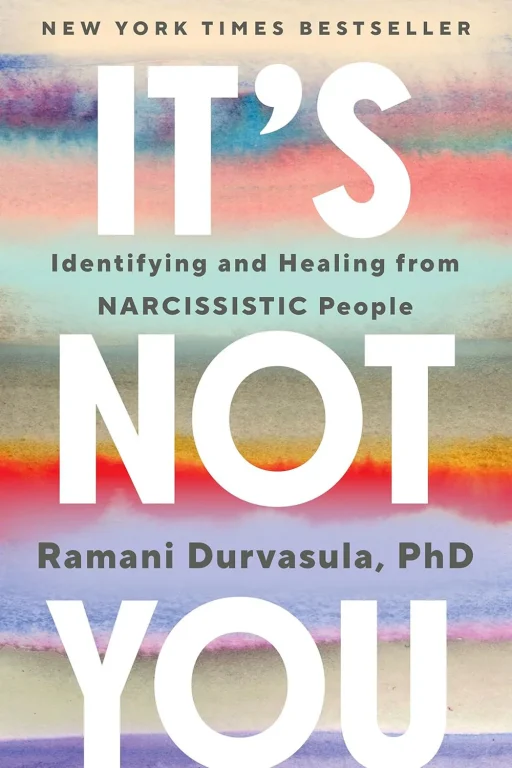
“The narcissist is like a bucket with a hole in the bottom: No matter how much you put in, you can never fill it up. The phrase ‘I never feel like I am enough’ is the mantra of the person in a narcissistic relationship. That’s because to your narcissistic partner, you are not. No one is. Nothing is.” – Dr. Ramani Durvasula
Their targeting of Good People
You didn’t attract them because you’re weak. Rather, they saw you as someone genuinely good with qualities they lack: empathy, integrity, and genuine care for others.
“Abusers like to target people who have something they do not or cannot possess themselves. Narcissists, sociopaths, and psychopaths are notorious for picking targets that initially boost their egos.” – Shannon Thomas
Research-Backed Patterns of Narcissistic Cheating
Reise & Wright (1996) found that unrestricted women described themselves as attractive, not ethically consistent, and not moralistic.
- They also admitted to playing different roles depending on the situation, and not being conservative.
- They enjoyed intimate experiences, were unpredictable, sometimes ruminative, but not concerned with philosophical problems.
- They thought they were interesting people, with unconventional thought processes, and often compared themselves to others.
1. Everyday Disagreeable Behavior
Zhang & Gao (2022) found that people with high narcissism show less agreement in their speech and use more aggressive and disagreeable words, which leads to poorer quality relationships with others.
Research using naturalistic observation found narcissists engage in more disagreeable behaviors in their daily lives, including arguing, swearing, and using anger words (Holtzman et al., 2010). The study revealed that narcissists high in exploitativeness and entitlement were particularly likely to behave disagreeably in everyday situations.
Studies show that self-esteem acts as a suppressor in the narcissism-disagreeableness relationship (Paulhus et al., 2004; Holtzman et al., 2010). This means narcissists appear less disagreeable on the surface than they actually are in daily life. Once you account for their inflated self-esteem, the true extent of their disagreeable behavior becomes clearer.
2. Intimacy-Related Profane Language
Naturalistic observation reveals narcissists use significantly more swear words and intimacy-related profanities in everyday conversation (Holtzman et al., 2010).
This pattern remained significant even after controlling for general swearing and anger words, suggesting narcissists actively incorporate objectified language into their daily speech as part of their short-term mating strategy.
3. Exploitativeness and Entitlement
The exploitativeness/entitlement facet of narcissism proved the strongest predictor of problematic daily behaviors (Holtzman et al., 2010).
People high on this facet were more likely to skip obligations, behave disagreeably, and use objectified language. This darker aspect of narcissism was more common in men than in women in the study.
4. Aggressive Intimacy Behaviors
Barnett and Millward (2020) found that “narcissistic rivalry relates to higher levels of aggressive intimate behavior in women more than in men.”
Studies show that exploitative women with grandiose narcissism are more coercive when they desire intimacy from romantic partners (Ryan & Weikel, 2008). The main findings from the study:
- Intimate Coercion: For women, the biggest link between narcissism and fierceness was the trait of exploitativeness/entitlement. Women high in this trait were more likely to use intimate coercion (forcing a partner to engage in intimate acts).
- Affects Both Partners: Exploitativeness was linked to both the women’s own intimate coercion and the intimate coercion reported by their partners.
- Over-Reporting Partner’s Actions: Exploitative women were also more likely to over-report (exaggerate) their partner’s intimate coercion. Researchers suggest these women might be hypersensitive to their partner’s potentially coercive actions, or they might be attracted to more coercive men.
- Intimacy-Related Narcissism: Women who were highly focused on themselves in intimate situations (high in intimacy narcissism) tended to under-report their own intimate coercion compared to how their partners rated them.
- Narcissism Type: Women’s aggression was primarily connected to the exploitativeness/entitlement part of overt/grandiose narcissism. The reverse was true for narcissistic men.
- Lower Intimacy Narcissism: Women scored significantly lower than men on measures of intimacy narcissism.
Narcissistic women might use manipulation tactics, take advantage of intoxicated people, or show reactance, that is, cause physical harm when their advances are rejected (Blinkhorn & Lyons, 2015).
5. Short-Term Relationships
Narcissistic people prefer short-term relationships over long-term ones (Reise & Wright, 1996). This preference drives serial cheating.
They’re not interested in building something lasting. They want the excitement of novelty and the validation of conquest.
6. Their Indifference
While you’re grieving the relationship, processing the betrayal, and questioning your judgment, they’ve already moved on to their next target.
“The important thing to remember is that even if survivors stayed broken for the rest of their lives, the abusers do not. They are not experiencing the same devastation. They never did.” – Shannon Thomas
The asymmetry of suffering is intentional.

On Recognizing Her Narcissistic Pattern
Dr. Ramani Durvasula says, “Relationships with narcissists are held in place by hope of a ‘someday better,’ with little evidence to support it will ever arrive.”
If you’re waiting for her to change for the better, stop waiting. The pattern is the person.
Shannon Thomas: “Normal people don’t play all the toxic games psychological abusers do, and yet, survivors end up initially blaming themselves.”
You’re not crazy for staying. You’re not weak for hoping. You’re human. They counted on that.
Shannon Thomas: “A Narcissist will run you over and scold you for being in their way. They will endlessly complain about how you damaged their car.”
They cheat, get caught, and make themselves the victim. This reversal is standard procedure.
On Narcissistic Gaslighting
Shannon Thomas: “Survivors who try to get help to protect themselves and their children are often seen as ‘hysterical, crazy, and unstable.’ This is because the covert nature of hidden abuse is very difficult to put into words.”
When you try to explain what’s happening, you sound paranoid. The evidence is there, but it’s subtle. They’ve designed it that way.
Dr. Ramani Durvasula: “The emptiness of the narcissist often means that they are only focused on whatever is useful or interesting to them at the moment. If at that moment it is interesting for them to tell you they love you, they do.”
Their declarations of love mean nothing. They’re tactical, not truthful.
Final Words
Their cheating isn’t about you, and perhaps it never was. You could be perfect, and they’d still cheat.
The problem isn’t your inadequacy. The problem is their need for validation, and an affair with another person is a call to fulfill that need.
You can’t change the narcissist, so it’s better to put your efforts into changing how you respond to them.
For one, they will never take accountability for their cheating and will instead find something to pin it back on you, justifying their behavior in a way. This makes it rare for them to say Sorry.
So don’t hold your breath for an apology for their betrayal. Even if they show remorse, they likely said so to placate you.
They will use this being caught ot make their future moves more clever and untraceable. Stop hoping they’ll suddenly develop empathy and see what they’ve done.
Dr. Ramani Durvasula says, “Narcissists … barrel through life, using relationships and people as objects, tools, and folly. While they often seem as if they are cruel or harsh, that is, in fact, giving them too much credit. They are simply careless.”
Accept the truth: The person you loved was a performance. The real person beneath that mask is someone who cannot love you back.
Finally, you can recover from this. The betrayal doesn’t define your worth or your future.
√ Also Read: DARVO: The Narcissist Toolkit To Blame It All On You
√ Please share this with someone.
» You deserve happiness! Choosing therapy could be your best decision.
...
• Disclosure: Buying via our links earns us a small commission.