Today's Friday • 8 mins read
Mentally healthy people do not desire a problem-free life.
They have figured out life is not about dodging problems. They know they will go through the same setbacks, heartaches, stresses, disappointments, and failures as the rest of humanity.
Their edge lies in trusting themselves to tackle whatever comes their way. The focus is on using the tools and strengths they have and building the ability to work through the challenges.
What they actually desire is the will and ability to tackle challenges in ways that support their continued growth and progress. Once they get past that first jolt of setback, they make a conscious choice to move ahead with courage, even when they are afraid.
Their personal belief is something close to what the philosopher-king Marcus Aurelius said: “The impediment to action advances action. What stands in the way becomes the way.”
Mentally strong people build their everyday routines around specific traits that help them live happier and more meaningful lives.
Try one of them today. You’ll find none of them are too hard to practice daily.
10 Traits of Mentally Healthy People
1. Attitude of Gratitude
Gratitude is one of the simplest yet most powerful practices to improve your psychological well-being. Mentally healthy people make it a point to practice an attitude of gratitude.
Positive psychology defines gratitude as the positive feeling you have when you recognize and appreciate the good that exists in your life, whether that good came from another person, nature, or a fortunate circumstance.
So gratitude means acknowledging the good things and good people in your life, even when things are hard, instead of staying stuck on what’s wrong and lacking in your life.
Research has shown that those who practice gratitude regularly report higher levels of happiness and life satisfaction (Emmons & McCullough, 2003).
Researchers also found that gratitude lowers stress, improves emotional control, boosts mood and motivation (via dopamine and serotonin), and increases understanding of others (Fox et al., 2015).
When you’re grateful, you can honor all the good things in your life while still recognizing your hardships and difficulties. Plus, it boosts your ability to handle and bounce back from whatever challenges come your way.
Practicing gratitude also helps you stress less about the things beyond your control, appreciate daily little moments of joy, and stay anchored in the here and now.
Three simple ways to practice gratitude are to write a gratitude letter, express appreciation, and reflect on three good things.

2. Positive Anticipation
They allow themselves to look forward to a positive future. Whether it’s a vacation, a conversation with a friend, a weekend plan, or a long-term goal, anticipation gives them something positive to hold onto.
This forward-looking mindset can ease anxiety because it reminds them that life is still unfolding and that good things are coming.
Mentally healthy people thrive in the moment. They learn to enjoy life over and above just surviving it, making room for hope, excitement, and expectation.
3. Ability to Forgive
Mentally healthy people understand that forgiving does not mean excusing someone’s behavior or letting them escape accountability. To them, forgiveness is much like evicting a troublesome tenant from the apartment of their own mind.
They understand that refusing to forgive means clinging to bitterness, which ends up causing them far more pain than it does the other person.

Psychology sees forgiveness as a deliberate decision to release resentment, anger, and vengeance toward someone who has harmed you, regardless of whether they deserve it. It is an internal shift that allows you to move forward emotionally.
Forgiveness does not mean forgetting, condoning what happened, excusing bad behavior, or reconciling with the offender.
Instead, it means releasing the grip of anger so it no longer controls your emotional life. By choosing forgiveness, you create more inner peace and make room for healthier relationships.
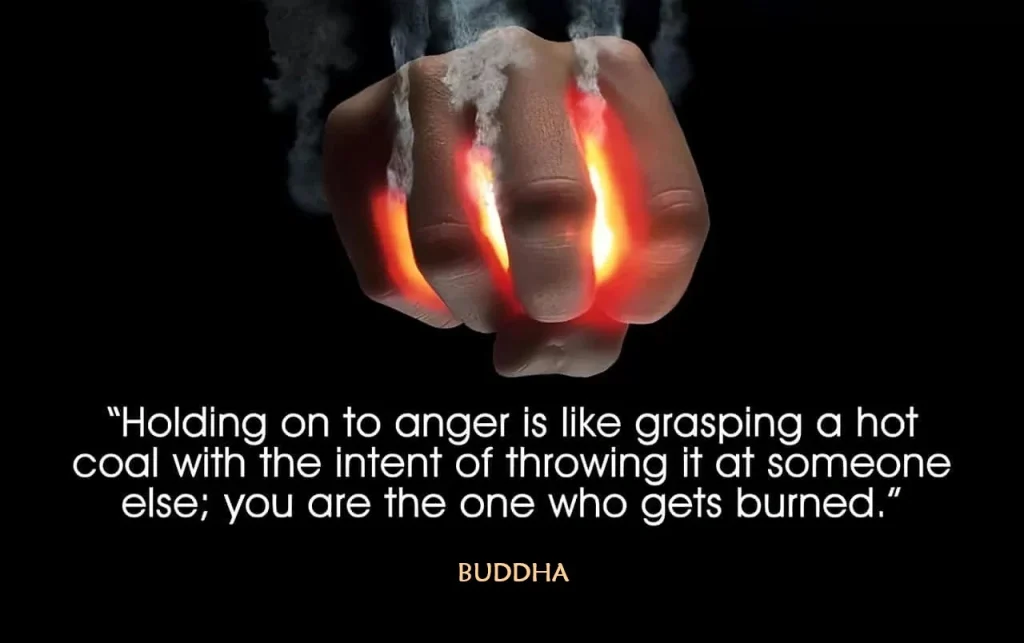
Letting go is not weakness; it is emotional strength.
4. Simplicity
They appreciate the simple things: a walk outside, a good laugh, a song they love, a quiet cup of coffee, or a shared meal. Simplicity helps them stay connected to what is real and meaningful rather than constantly chasing stimulation or status.
This trait often reflects a person who can find joy without needing everything to be perfect or impressive. Simple pleasures can be some of the most restorative parts of life, and mentally healthy people know how to enjoy them.
5. Resilience
Life inevitably includes setbacks, delays, and disappointments. Mentally healthy people do not give up easily when circumstances get difficult. They bounce back, adapt, and keep moving forward, even if progress is slow.
In psychology, resilience is defined as the dynamic process of adapting well and bouncing back in the face of adversity, trauma, threat, or significant stress. It is not a fixed personality trait but a capacity that can be developed over time through coping skills, social support, and a positive mindset.
Resilience allows you to bend under pressure without breaking, to recover from setbacks while maintaining core functioning and a sense of purpose. Fueled by hope, resilience lets you recover from failure, stay committed to goals, and maintain a sense of purpose.
Mentally healthy people may feel discouraged at times, but they do not let discouragement define them. Resilience enables them to bend without breaking and emerge stronger from challenges.
6. Altruism
In psychology, altruism is defined as the selfless concern for the well-being of others, often motivating acts of kindness or help without expectation of personal reward or recognition. It is considered “prosocial behavior” driven by empathy, moral principles, or an intrinsic desire to benefit someone else.
Mentally healthy people care about more than just their own struggles. They often find meaning in helping others, whether through kindness, encouragement, service, or simple acts of support.
Altruism gives life a broader purpose and prevents people from becoming trapped in self-focus. Helping others can also be healing, because it reminds us that we are connected and that our lives have value beyond our personal problems.
7. Self-Care
They understand that taking care of themselves is not selfish but a necessary part of living a happy life.
Self-care and self-love include adequate rest, nutrition, movement, reflection, and doing things that restore energy and clarity.
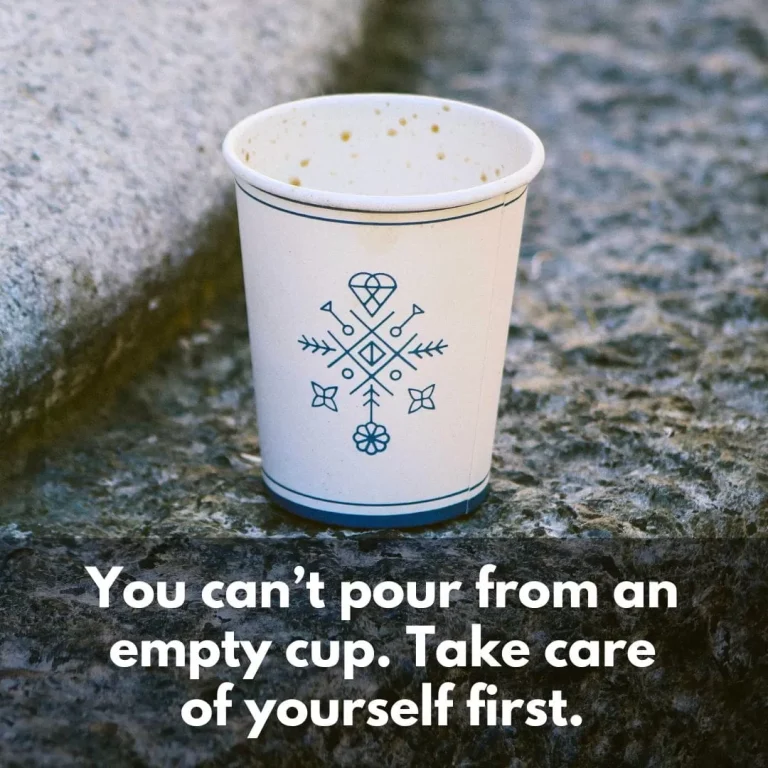
Mentally healthy people know they cannot pour from an empty cup, so they protect their well-being intentionally. When people neglect themselves for too long, stress builds and emotional balance suffers. Self-care creates the foundation for being present, resilient, and generous with others.
8. Boundaries
Healthy boundaries are a characteristic of mentally healthy people.
In psychology, boundaries refer to the physical, emotional, and mental limits you set in relationships to protect your own well-being and sense of identity. They help you define where you end and another person begins.
Boundaries tell you when it’s okay or necessary to say no, when to ask for space, and what behavior you will or will not accept from others. They allow you to be caring and helpful without sacrificing your own needs or personal privacy.
Healthy people know that boundaries are not about building walls to keep people out, but protecting their energy, time, and emotional space.
Boundaries help them avoid burnout and prevent relationships from becoming draining or unhealthy. They can still be caring and available without overextending themselves.
In fact, strong boundaries often make relationships better because they are built on honesty and mutual respect.
9. Contentment
They are less likely to live in constant comparison with others. Mentally healthy people can appreciate what they have and stay focused on their own path rather than measuring themselves against someone else’s. Contentment does not mean settling or losing ambition—it means being able to feel enough in the present. This mindset reduces envy and helps people experience more peace, because their self-worth is not dependent on external comparison.
10. Empathy
In psychology, empathy is the ability to understand and share the feelings of another person. It is typically broken into cognitive empathy (the capacity to intellectually identify and understand another’s emotional state) and affective empathy (the actual emotional resonance or feeling of what someone else is experiencing).
Empathy is considered a core element of prosocial behavior and healthy relationships. And mentally healthy people have the optimum amount of it.
Their empathy lets them feel genuine happiness for others, even when life is hard for them personally. It allows them to step outside their own struggles and connect with the joy, pain, and experience of others.
This emotional openness is a sign of maturity and security. People with empathy are often better friends, partners, and community members because they can celebrate success without jealousy and offer comfort without judgment.
Final Words
Mentally healthy people do not have perfect lives, we know. Their superiority is in a healthy way of moving through life’s ups and downs.
Gratitude, anticipation, forgiveness, simplicity, resilience, altruism, self-care, boundaries, contentment, and empathy all reflect a person who is emotionally grounded and resilient. Anyone can develop these traits over time and make a meaningful difference in their life.
The goal is not to be perfect at it. You don’t have to be perfect in practicing gratitude or empathy or altruism.
The goal is growth. The more you practice these traits, the more balanced, peaceful, and connected you become. And in a world that often rewards speed, comparison, and overextension, that kind of mental health is powerful.
√ Also Read: PERMA: 5 Key Principles of Positive Psychology
√ Please share this with someone.
» You deserve happiness! Choosing therapy could be your best decision.
...
• Disclosure: Buying via our links earns us a small commission.